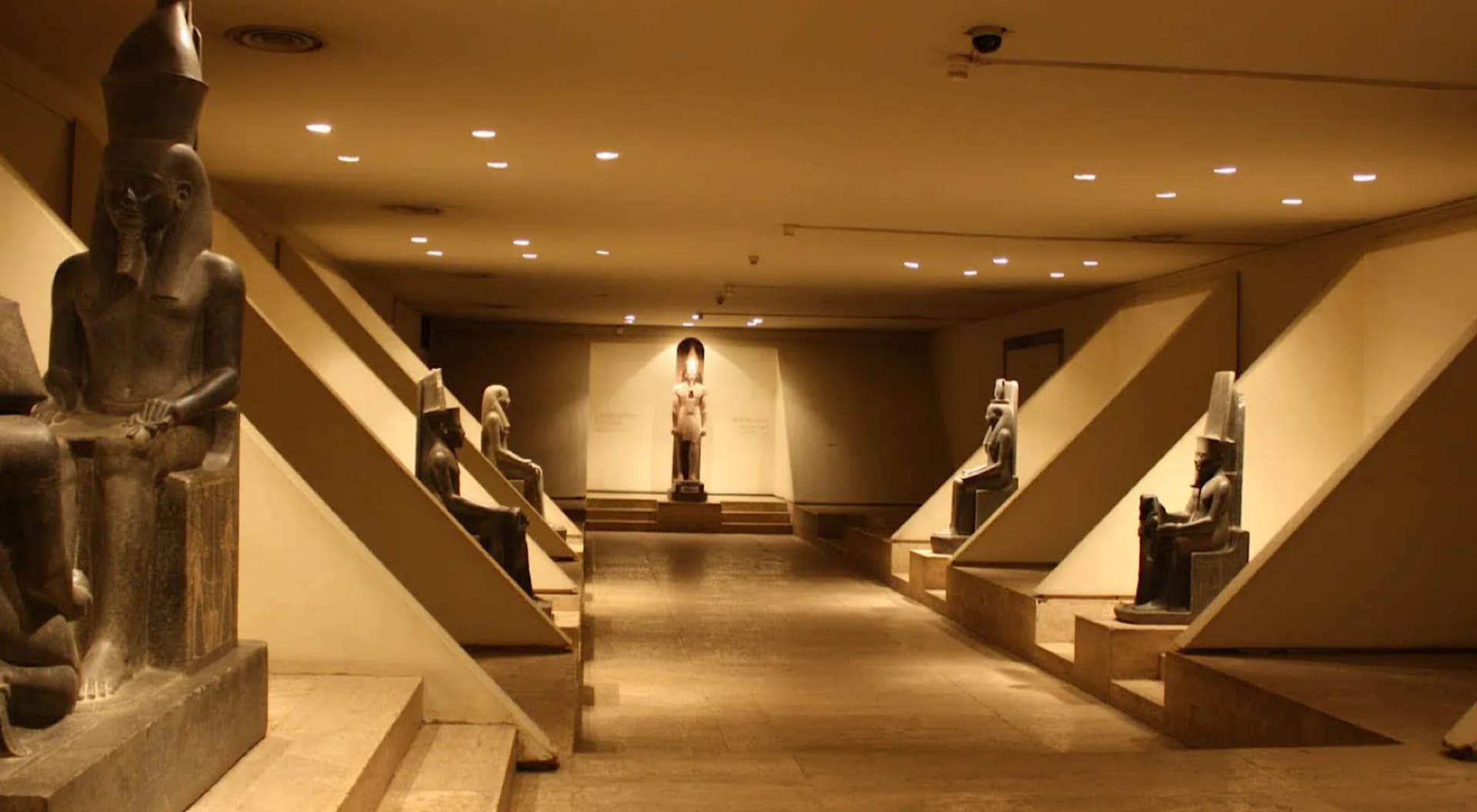
Why Is Luxor Known as the World's Greatest Open-Air Museum?
Located on the east bank of the Nile in southern Egypt, Luxor is often described as the world's greatest open-air museum due to its extraordinary concentration of ancient monuments, temples, and tombs. The city sits atop the ancient site of Thebes, the capital of Egypt during the height of its power, and is home to some of the most iconic archaeological treasures on the planet.
Major Temples and Tombs of Luxor
- Karnak Temple: The largest religious building ever constructed, with its vast hypostyle hall and sacred lake. Nearby, you'll find the Karnak Temple complex, a must-see for visitors.
- Luxor Temple: Illuminated at night, this temple is famed for its grand colonnades and statues. Explore more about the Luxor Temple and its role in ancient festivals.
- Valley of the Kings: The burial place of Egypt’s New Kingdom pharaohs, including Tutankhamun. The Valley Of The Kings offers a glimpse into the afterlife beliefs of the ancient Egyptians.
- Temple of Hatshepsut: A stunning mortuary temple built into the cliffs of Deir el-Bahari, dedicated to Egypt’s most successful female pharaoh. Read more about the remarkable Temple Of Hatshepsut.
What Makes Luxor Unique?
Unlike any other city in Egypt, Luxor allows you to walk among temples and tombs that have stood for millennia, many still featuring original colors and hieroglyphs. The city’s layout—split by the Nile into the City of the Living (East Bank) and City of the Dead (West Bank)—mirrors ancient Egyptian beliefs about life and the afterlife. The famous Luxor area also offers vibrant markets and a lively riverside promenade.
How to Explore Luxor’s Ancient Wonders
- Take a Hot Air Balloon Ride Luxor at sunrise for breathtaking aerial views of the temples and the Nile.
- Book a guided Luxor Day Tours to maximize your time and insights.
- Sail on a Nile cruise, such as the 4 Night Luxor To Aswan Nile Cruise, for a luxurious journey between ancient cities.
Luxor Travel Tips and Seasonal Insights
Luxor is best visited between October and April when temperatures are milder and the skies are clear. The city is easily accessible by air (a 1-hour flight from Cairo), rail, or road. Many travelers combine their Luxor adventure with visits to nearby Aswan or a cruise down the Nile. For itinerary ideas, check out How Many Days Do You Need In Luxor and Best Things To Do In Luxor Essential Temples Tombs.
Comparing Luxor's Top Sights
| Site | Main Attraction | Best Time to Visit |
|---|---|---|
| Karnak Temple | Hypostyle Hall, Sacred Lake | Early morning or sunset |
| Valley of the Kings | Pharaohs' Tombs (incl. Tutankhamun) | Morning (to avoid heat) |
| Luxor Temple | Nighttime illuminations | Evening |
| Temple of Hatshepsut | Terraced architecture, reliefs | Morning |
Nearby Landmarks and Day Trips
- Colossi of Memnon: Giant statues guarding the Theban necropolis.
- Deir el-Medina: The village of the artisans who built the royal tombs.
- Day tours to Edfu and Kom Ombo Temples are popular and accessible from Luxor.