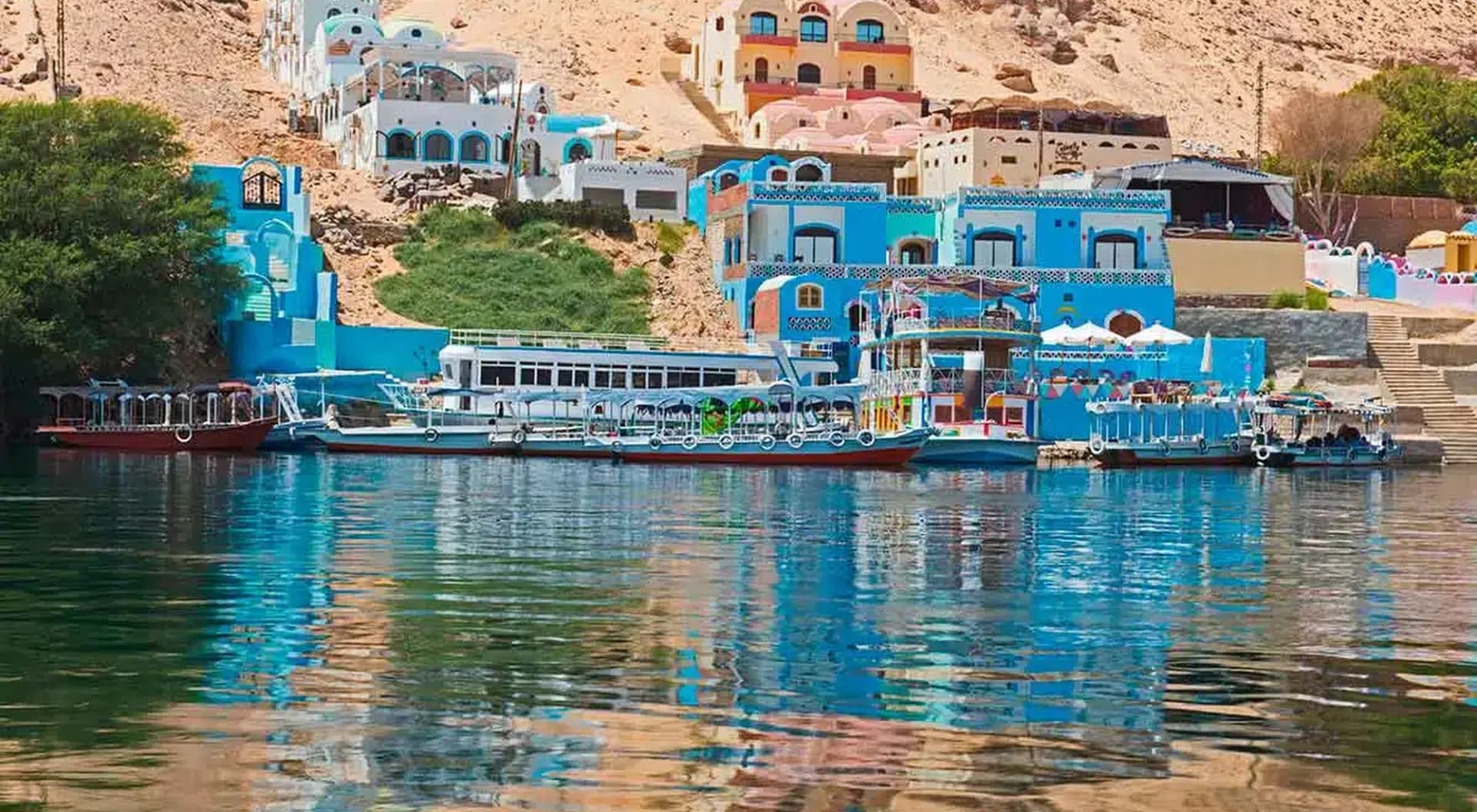
Nubian culture in Egypt is a captivating blend of ancient traditions, vivid colors, and a distinct way of life along the Nile, primarily in the Aswan region. Located in southern Egypt near the Sudanese border, Nubian villages offer a unique experience just a short journey from Aswan city and the famous Philae Temple. Whether you're exploring on a day trip or planning an extended stay, Nubia is a cultural gem worth discovering.
The Origins and Heritage of Nubian Culture
The Nubians are one of Egypt's oldest ethnic groups, with a history stretching back thousands of years. Their heritage is deeply linked to the Nile River, and their ancient kingdoms once thrived in what is now southern Egypt and northern Sudan. Today, their traditions live on in language, music, and crafts—many of which you can explore on a Nubian Village Tour.
Daily Life in Nubian Villages
Nubian daily life revolves around community, agriculture, and the river. Homes are built from mud brick and painted in bright colors, with geometric patterns and murals reflecting cultural stories. You'll notice the relaxed pace and warm hospitality, a hallmark of Nubian society. To learn more about the surrounding area, check out the Essential Aswan Tours First Time Visitor Guide.
Traditions and Festivals
- Music and Dance: Traditional Nubian music uses drums and lyres, with energetic dances often performed at weddings and festivals.
- Handicrafts: Nubian women are renowned for weaving baskets and creating beadwork, which you can purchase as souvenirs.
- Festivals: Celebrations such as Sham El Nessim (Spring Festival) are marked by communal feasts and folk performances.
Colorful Architecture and Art
Nubian villages are instantly recognizable by their vibrant, painted houses. The colors—turquoise, yellow, and pink—symbolize joy and protection. Many homes feature artistic motifs inspired by nature and Nubian mythology. A visit to the Nubian Museum Tour in Aswan is an excellent way to delve deeper into this artistic heritage.
Experiencing Nubian Hospitality
Guests are often welcomed with hibiscus tea and traditional dishes like "fatta" (a bread and rice dish) or "tagine". Staying in a Nubian guesthouse allows you to immerse yourself in local customs and enjoy tranquil views of the Nile. For those planning a broader trip, see the Best Time To Visit Egypt Month By Month Guide for seasonal tips.
How to Visit and What to Expect
- Getting There: From Cairo, fly or take a train to Aswan, then travel by boat or car to Nubian villages such as Gharb Soheil or Elephantine Island.
- Best Time to Visit: October to April offers cooler temperatures and lively festivals.
- Nearby Landmarks: Combine your visit with trips to the Philae Temple, Abu Simbel, and Aswan city.
| Experience | Highlights | Best For |
|---|---|---|
| Nubian Village Tour | Authentic homestays, village walks, handicrafts | Cultural immersion |
| Nubian Museum Tour | Artifacts, history exhibits, art displays | History buffs |
| Boat Ride on Nile | River scenery, birdwatching, sunset views | Nature lovers |
Preserving Nubian Culture Today
Modern challenges such as the construction of the Aswan High Dam have led to the relocation of many Nubian communities. However, efforts to preserve language, traditions, and architecture continue through cultural centers and tourism initiatives. Exploring more Destinations in Egypt can give you further context on the nation's diverse heritage.