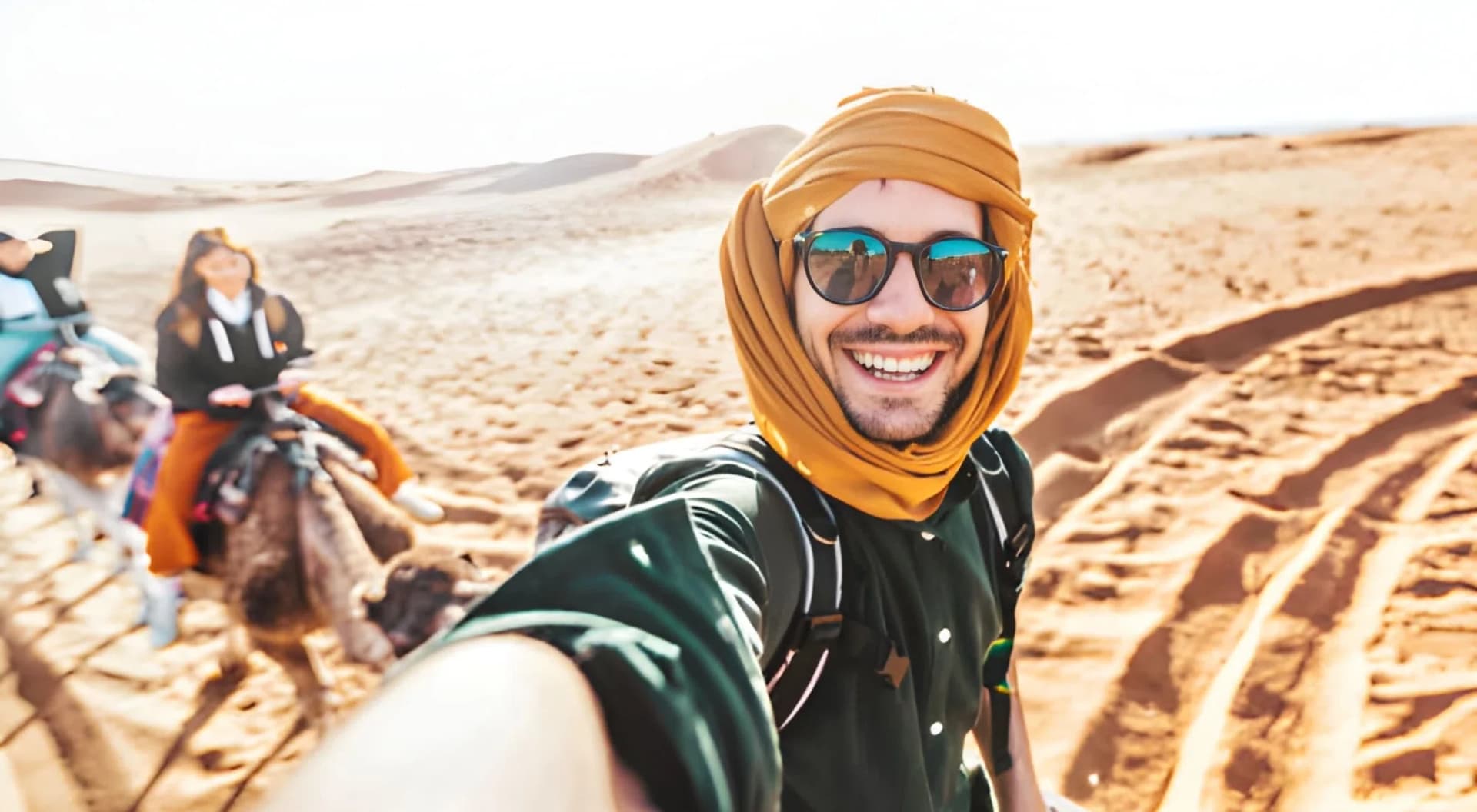
Egypt Travel Tips
To travel in Egypt successfully, plan for varying opening hours at monuments, carry Egyptian Pounds for tickets, and note that free entry is offered for children under 6 and other groups. Mobile phone photography is free at Ministry sites, and students under 25 with valid ID receive discounts. Arrive at least one hour before closing at major sites.
Key Takeaways
- Egypt has 7 UNESCO World Heritage sites, per UNESCO.
- Free entry to monuments and museums is available for children under 6, Egyptian seniors 60+, Egyptians with special needs, and orphaned children, according to the Ministry of Tourism and Antiquities.
- Photography with a mobile phone is free of charge at Ministry sites; commercial filming needs permission.
- All monument ticket prices are in Egyptian Pounds (EGP), and self-service machines at Giza accept bank cards for site tickets.
- Arrive at least one hour before closing time at monuments, as recommended by the Ministry's official ticketing service.
Understanding Egypt’s Historical Significance
Egypt is renowned for its ancient civilization, iconic monuments, and vibrant culture. The country boasts a remarkable seven UNESCO World Heritage sites, per UNESCO, including Memphis and its Necropolis (which covers the Giza pyramids), Historic Cairo, and the Nubian Monuments from Abu Simbel to Philae. Each site offers a unique glimpse into Egypt’s layered past, from the age of the Pharaohs through the Greco-Roman period and into the Islamic era. Egypt’s long history has shaped not only its architecture and art but also its customs and social life, making it a fascinating destination for travelers interested in history and culture.
For those intrigued by the Hellenistic period, the legacy of the Ptolemaic dynasty is especially captivating. To learn more about this era and its influence on Egypt, read Ptolemaic Egypt: Legacy of the Last Pharaohs.
When to Visit: Weather and Seasonal Events
Egypt’s climate is primarily arid, with hot summers and mild winters. The most popular time to visit is between October and April, when temperatures are more comfortable for sightseeing. Summers can be extremely hot, particularly in Upper Egypt (southern Egypt), and the Red Sea coast is hot too, with July–August highs averaging about 35°C in Hurghada and 38–39°C in Sharm El Sheikh. Major holidays, such as Ramadan, affect opening hours at museums and archaeological sites. During Ramadan, sites and museums operate on reduced hours, which are published per-site on the Ministry's official ticketing portal. Always check the current schedule before planning your visits, as official hours and fees are periodically revised.
If you are considering a festive trip, Egypt offers unique celebrations for global holidays. For inspiration on how to enjoy Egypt during the holiday season, see New Year in Egypt: Celebrate with Culture, Sun, and Adventure.
Entry Requirements, Tickets, and Payments
To enter most monuments and museums in Egypt, you must purchase a ticket in Egyptian Pounds (EGP), as all monument ticket prices are in EGP, per the Ministry's official ticketing service. Self-service machines at the Giza Plateau accept bank cards for site tickets, but card acceptance is not guaranteed at all monuments, so always carry cash. Free entry is granted to children under 6, Egyptian seniors 60+, Egyptians with special needs, and orphaned children, according to the Ministry of Tourism and Antiquities. Students up to age 24 with valid student ID are eligible for discounted tickets. For mobile phone photography, there is no charge at Ministry sites, but commercial or media photography requires prior permission.
| Category | Eligibility | Ticket Policy |
|---|---|---|
| Children | Under 6 | Free entry |
| Egyptian Seniors | 60+ | Free entry |
| Students | Valid ID, Age ≤ 24 | Discounted tickets |
| Photography (Mobile) | All visitors | Free of charge |
| Commercial Filming | All visitors | Prior permission required |
For a seamless travel experience that covers the highlights of Egypt without the hassle of organizing each detail, consider booking the 7 Day Egypt Tour.
Navigating Egypt’s Cities and Major Attractions
Cairo, Egypt’s bustling capital, is the primary gateway for international travelers. The city is famous for its mix of ancient and modern, with attractions ranging from the Pyramids of Giza and the Egyptian Museum to vibrant markets and Islamic architecture. Alexandria, Luxor, and Aswan are also key cities for travelers, each offering unique experiences and monuments. Public transportation is available in major cities, but taxis and ride-hailing apps are often more convenient for visitors. When planning your days, remember to arrive at least one hour before the closing time at major archaeological sites, as recommended by the Ministry's official ticketing service, to ensure entry and ample time for exploration.
For travelers interested in Egypt’s Christian heritage, the historic district of Coptic Cairo offers ancient churches, monasteries, and synagogues that reflect the city’s multicultural history.
Cruising the Nile: An Unforgettable Experience
The Nile River, Egypt’s lifeline, has played a central role in the country’s history and culture for millennia. Cruising the Nile is one of the most memorable ways to experience Egypt, offering scenic views, access to ancient temples, and a relaxing journey between Luxor and Aswan. Modern cruises range from large riverboats to intimate dahabiya sailboats, each providing a different atmosphere and level of luxury. Travelers can expect guided tours at key sites such as Karnak Temple, Edfu, Kom Ombo, and the Valley of the Kings. Meals and entertainment are often included, making it a comfortable and enriching travel option.
For those seeking a refined and personalized journey, the Luxury Dahabiya Nile Cruise offers an elegant and authentic experience along the river.
Experiencing Egypt’s Nightlife and Evening Attractions
Egypt’s cities come alive after sunset, with bustling cafés, lively markets, and illuminated monuments. Many sites offer evening events, such as sound and light shows that bring ancient history to life with dramatic storytelling and colorful lights. These shows are a popular way to experience famous temples in a new light and are suitable for all ages. In Luxor, the Karnak Temple’s sound and light show is a highlight for many visitors, combining history, music, and spectacle in a unique setting.
For an immersive evening activity, consider attending the Sound and Light Show at Karnak Temple for a memorable experience.
Egyptian Culture, Etiquette, and Dress Code
Egypt is a predominantly Muslim country, and visitors are expected to dress modestly, especially at religious sites and in rural areas. Loose-fitting clothing that covers shoulders and knees is recommended for both men and women. In mosques and Coptic churches, women may be asked to cover their hair. Public displays of affection are uncommon, and it is polite to greet people with “Salam Alaikum” (“peace be upon you”). Tipping, or “baksheesh,” is customary for services such as hotel staff, drivers, and guides. Respect local customs and ask permission before photographing people, especially in rural communities and religious settings.
For a deeper understanding of Egypt’s multicultural heritage, exploring areas like Coptic Cairo and Islamic Cairo provides valuable insights into the country’s diverse traditions.
Planning Your Itinerary: Classic Routes and Hidden Gems
Most travelers begin their journey in Cairo, then venture south to Luxor and Aswan, where the majority of ancient temples and tombs are located. The Red Sea resorts, such as Hurghada and Sharm El Sheikh, are popular for relaxation and water sports. For those with more time, consider exploring the Siwa Oasis, the White Desert, or the Mediterranean city of Alexandria. Joining guided tours can enhance your experience, providing expert insights and logistical support, especially in remote areas or complex archaeological sites.
To maximize your time and enjoy a well-organized adventure, guided packages such as the 7 Day Egypt Tour are highly recommended for first-time visitors.
Essential Travel Tips for a Smooth Journey
Keep these practical tips in mind for a safe and enjoyable trip: carry small denominations of Egyptian Pounds for tips and minor purchases, use bottled water for drinking, and avoid consuming raw or unpeeled fruits and vegetables from street vendors. Egypt’s power outlets use the European standard (220V, two-round pin plugs). Wi-Fi is widely available in hotels and cafés, but may be limited at archaeological sites. Always keep a copy of your passport and visa, and register with your embassy if required. Official fees and hours are revised periodically, so consult the Ministry’s official channels for the latest information before your visit.
For an in-depth exploration of Egypt’s ancient legacy, you may also enjoy reading about the country’s journey from pharaonic times to the present in Ptolemaic Egypt: Legacy of the Last Pharaohs.
Frequently Asked Questions
-
What are the official free entry policies for Egyptian monuments and museums?
Free entry is available for children under 6, Egyptian seniors aged 60 and over, Egyptians with special needs, and orphaned children, as stated by the Ministry of Tourism and Antiquities. At the National Museum of Egyptian Civilization (NMEC), these exemptions do not apply on Fridays, Saturdays, or public holidays. -
Can I pay for tickets at Egyptian monuments with a credit or debit card?
Self-service machines at the Giza Plateau accept bank cards for site tickets, per the Ministry of Tourism and Antiquities, but card acceptance is not guaranteed at all sites. It is best to carry cash in Egyptian Pounds for ticket purchases elsewhere. -
Are there discounts for students at Egyptian monuments and museums?
Students are eligible for discounted tickets if they present a valid student ID and their age does not exceed 24, according to the Ministry's official ticketing service. -
Is photography allowed at Egyptian monuments and museums?
Photography with a mobile phone is free of charge at Ministry sites, but commercial, TV, or cinema filming requires prior permission. The Grand Egyptian Museum (GEM) has its own rules for photography. -
How many UNESCO World Heritage sites are in Egypt?
Egypt has 7 UNESCO World Heritage sites, according to UNESCO. -
What should I know about visiting monuments during Ramadan?
During Ramadan, sites and museums in Egypt operate on reduced hours, which are published per-site on the Ministry's official ticketing portal. Always check the latest schedule before planning your visit.