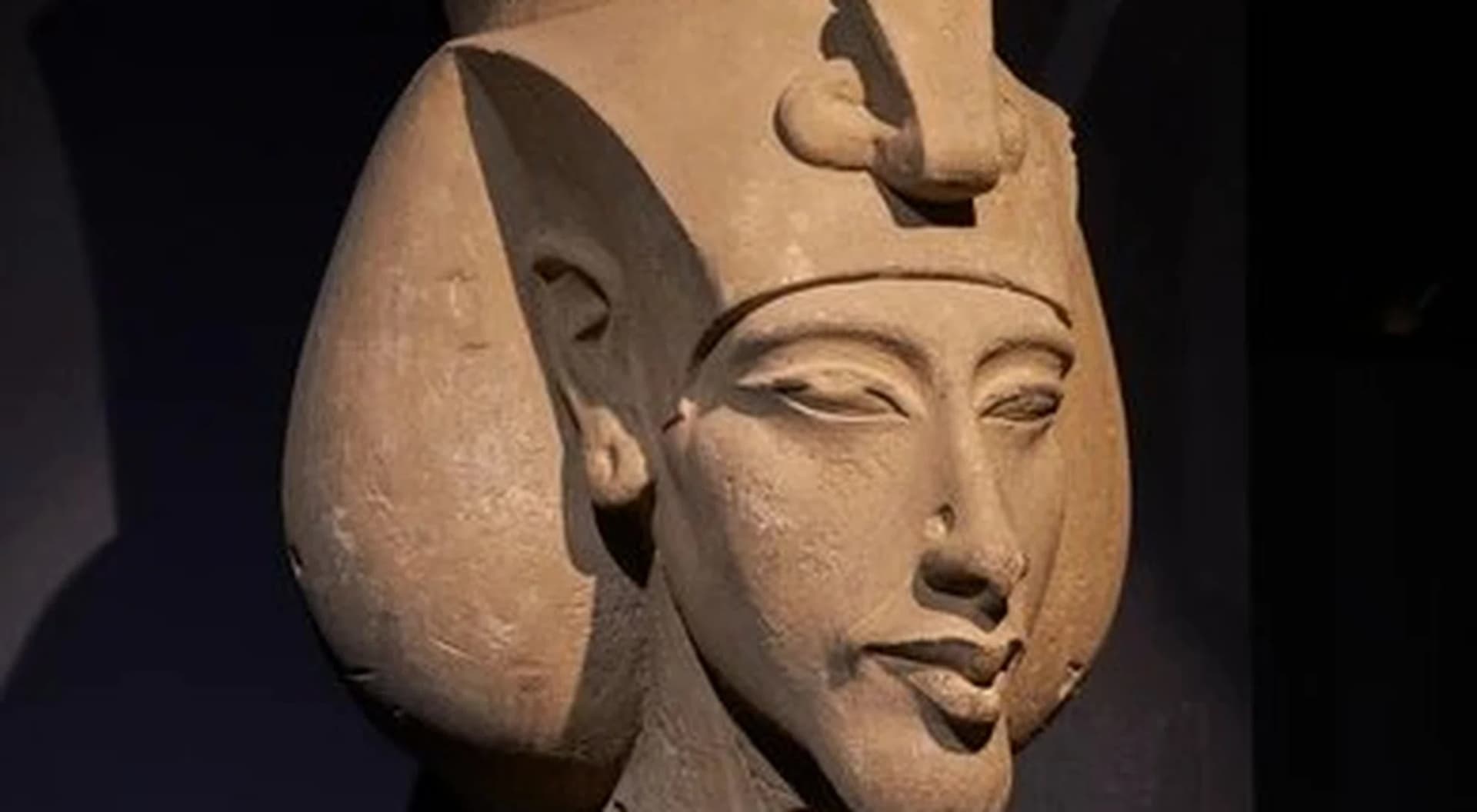
Introduction to Ptolemaic Egypt
Ptolemaic Egypt, centered in Alexandria, marked a dynamic chapter in Egypt's history from 332 to 30 BCE. After Alexander the Great's conquest, the Ptolemaic dynasty blended Greek and native Egyptian traditions, shaping the region's culture, economy, and politics. Today, you can explore remnants of this era in cities like Cairo and Luxor, both accessible from major hubs across Egypt.
The Rise of the Ptolemaic Dynasty
The dynasty began with Ptolemy I Soter, one of Alexander's generals, who established his rule over Egypt. Alexandria quickly became a center of learning and trade, renowned for its legendary Library and Lighthouse. The unique blend of Greek and Egyptian customs is still evident in art and architecture found throughout the region, especially near Aswan.
Key Sites and Landmarks
- Alexandria: Once home to the famous Library and Lighthouse, modern Alexandria offers museums and ruins reflecting its ancient glory.
- Luxor: The city houses temples and tombs decorated with Ptolemaic influences, making it a highlight for history enthusiasts.
- Philae Temple: Near Aswan, this temple dedicated to Isis showcases the fusion of Greek and Egyptian religious art.
Travelers can reach Alexandria from Cairo by train or car in about 2.5 hours, making it an easy day trip. For a deeper dive into ancient wonders, consider a journey along the Nile River Lake Nasser route, which passes several Ptolemaic sites.
Culture and Daily Life
Ptolemaic society was a multicultural blend, with Greek settlers and local Egyptians sharing festivals, religious practices, and governance. The dynasty supported arts, science, and scholarship, drawing thinkers from across the Mediterranean. Major cities like Alexandria hosted grand celebrations and vibrant markets, which you can still experience echoes of in Egypt's bustling souks today.
Cleopatra VII and the End of the Dynasty
Cleopatra VII, the dynasty's last and most famous ruler, reigned during a time of political intrigue and romance with Rome's Julius Caesar and Mark Antony. Her reign ended with the Roman conquest in 30 BCE, marking the close of an extraordinary era. Sites associated with Cleopatra, such as the remains of her palace in Alexandria, continue to captivate visitors and scholars alike.
Visiting Ptolemaic Sites Today
- Best time to visit: October to April, when the weather is mild.
- Combine your Ptolemaic exploration with trips to Giza or a classic Nile Cruise for a comprehensive view of Egypt's layered history.
- Many museums in Egypt Attractions feature artifacts from this period, offering context before or after your site visits.
| Location | Key Ptolemaic Feature | Accessibility |
|---|---|---|
| Alexandria | Ancient ruins, museums | 2.5 hrs from Cairo |
| Luxor | Temple reliefs, tombs | 1 hr flight from Cairo |
| Philae (Aswan) | Temple of Isis | Accessible by boat from Aswan |