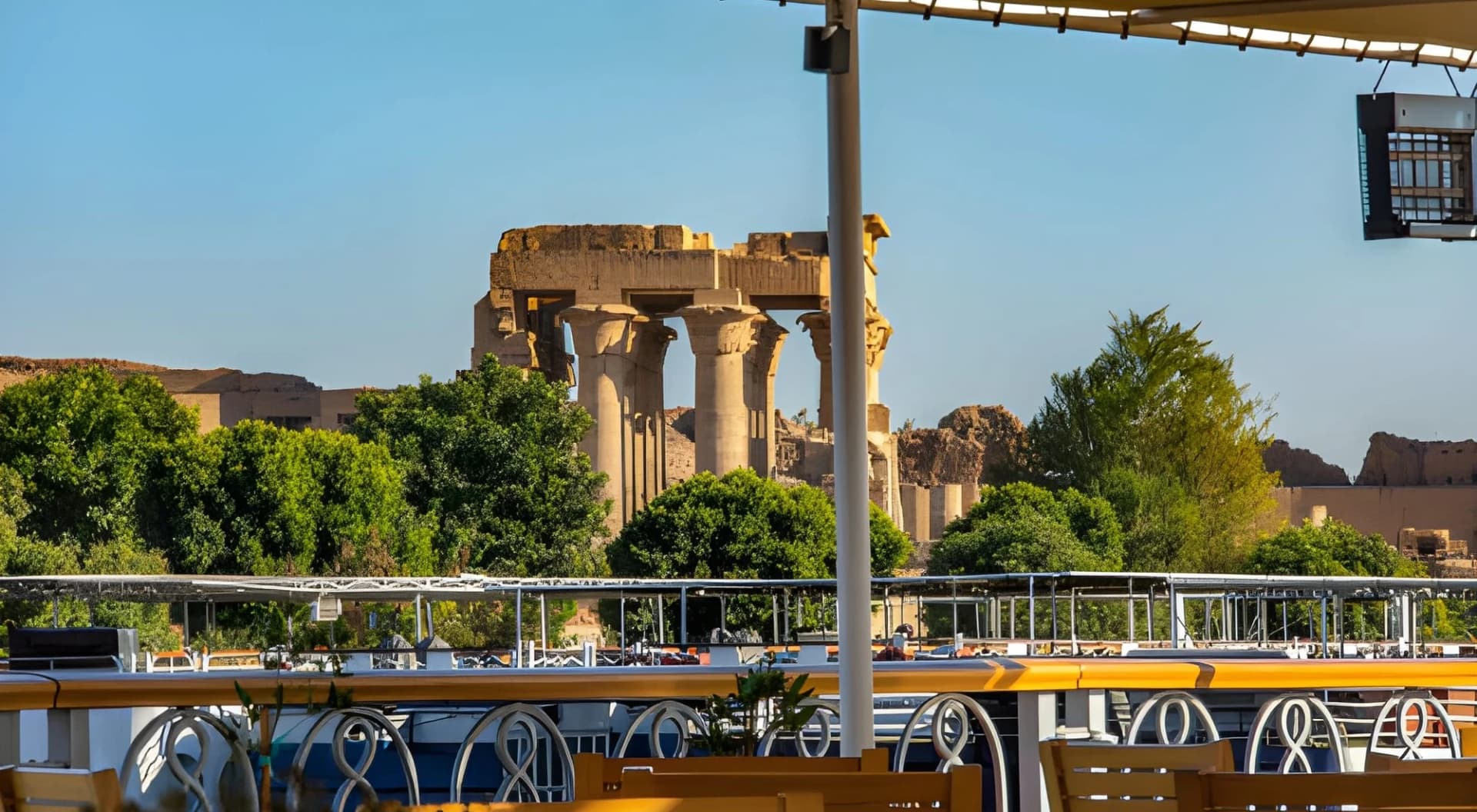
The story of Ancient Egypt stretches across more than three millennia, with the Nile River valley as its heart. Egypt's rich timeline encompasses legendary pharaohs, monumental architecture, and a cultural legacy that still draws travelers to destinations like Luxor, Giza, and Aswan today.
Pre-Dynastic and Early Dynastic Periods (c. 5000–2686 BCE)
Before unified rule, Egypt was home to thriving prehistoric communities. The Early Dynastic Period saw the unification of Upper and Lower Egypt under King Narmer, setting the stage for a centralized state and the rise of monumental tombs near Cairo and the Nile Delta.
Old Kingdom (c. 2686–2181 BCE): The Age of the Pyramids
The Old Kingdom is famed for the construction of the Pyramids of Giza and the Sphinx, marvels that define the landscape near modern Giza. This era's pharaohs, such as Khufu and Khafre, established the template for royal power and tomb building.
| Period | Key Features | Notable Sites |
|---|---|---|
| Old Kingdom | Pyramid building, strong central rule | Giza, Saqqara |
| Middle Kingdom | Artistic renaissance, reunification | Luxor, Fayoum |
| New Kingdom | Empire expansion, grand temples | Luxor, Aswan |
| Ptolemaic | Greek influence, Alexandria rises | Alexandria, Philae |
First Intermediate Period (c. 2181–2055 BCE)
This was a time of political fragmentation and regional rulers. Despite instability, local art and culture flourished in areas like Herakleopolis and Thebes, near today's Luxor.
Middle Kingdom (c. 2055–1650 BCE): Reunification and Renaissance
The Middle Kingdom restored stability, with Thebes as its capital. Pharaohs like Senusret and Amenemhat expanded Egypt's borders and irrigation, while art and literature thrived. You can trace this era's achievements in the temples and tombs around Luxor.
Second Intermediate Period (c. 1650–1550 BCE)
During this period, the Hyksos, a foreign dynasty, ruled parts of northern Egypt. Their influence introduced new technologies, like horse-drawn chariots, which later shaped the Egyptian military.
New Kingdom (c. 1550–1069 BCE): Golden Age of Empire
The New Kingdom marked Egypt's greatest power, with famed rulers such as Hatshepsut, Akhenaten, Tutankhamun, and Ramses II. Monumental temples at Aswan and Luxor, including Karnak and Abu Simbel, showcase the era's grandeur. This period is often explored on Nile Cruises connecting major archaeological sites.
Third Intermediate and Late Periods (c. 1069–332 BCE)
Egypt saw internal division and foreign invasions, with Libyan, Nubian, and Persian rulers. Despite turmoil, remarkable temples and tombs continued to be built, especially in Upper Egypt and the Aswan Nubia region.
Ptolemaic Period (332–30 BCE): The Greek Pharaohs
After Alexander the Great's conquest, the Ptolemaic dynasty blended Greek and Egyptian traditions. Alexandria became a cultural hub, and the famous Cleopatra VII was the last active ruler before Roman annexation.
Visiting Ancient Sites Today
Travelers can experience the timeline of Ancient Egypt firsthand by visiting major sites in Egypt. Seasonal travel is most comfortable from October to April, with easy connections from Cairo by air or train to Luxor and Aswan. Explore more with the comprehensive Egypt Attractions guide.