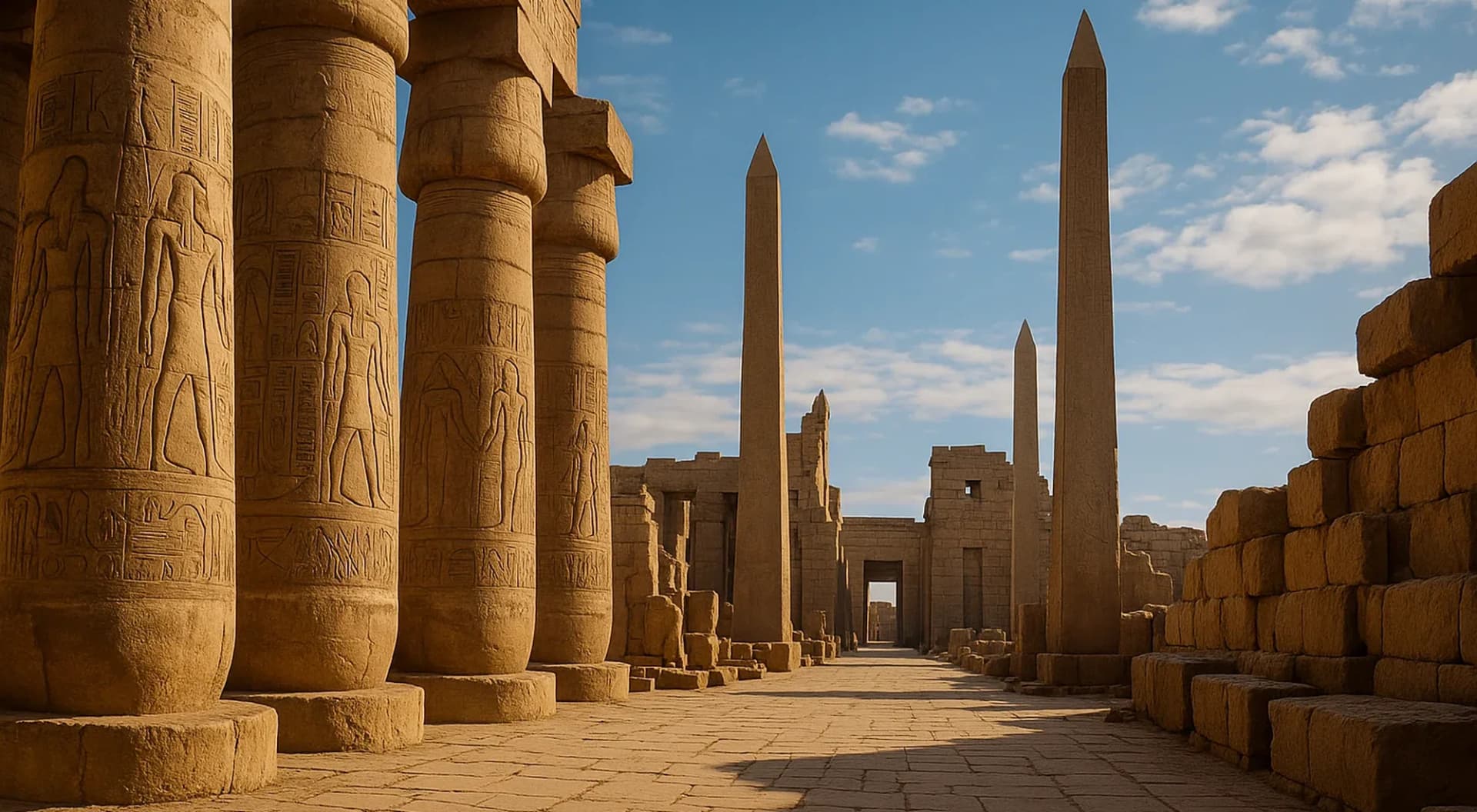
Karnak Temple Complex: History, Facts and Visitor Tips
The Karnak Temple Complex stands as one of Egypt’s most awe-inspiring ancient sites, a sprawling testament to the religious, political, and artistic achievements of the pharaohs. Located just north of Luxor, this vast open-air museum is not only a window into the country’s glorious past but also a must-see highlight for any traveler exploring the Nile Valley. Whether you’re a history buff, an architecture enthusiast, or simply curious about the wonders of ancient Egypt, Karnak offers an unforgettable journey through time. In this comprehensive guide, we’ll delve into the fascinating history of Karnak, share intriguing facts, and offer practical tips to help you make the most of your visit.
The Historical Significance of Karnak Temple Complex
The Karnak Temple Complex is not just a single temple but a vast collection of sanctuaries, pylons, chapels, and obelisks, all dedicated primarily to the Theban triad of Amun, Mut, and Khonsu. Construction began during the Middle Kingdom (around 2000 BCE) and continued for over 1,500 years, with each pharaoh adding their mark. The result is an architectural palimpsest that reflects the evolving religious and political landscape of ancient Egypt.
One of the most remarkable aspects of Karnak is its continuous expansion. Pharaohs such as Seti I, Ramses II, and Hatshepsut contributed to its grandeur. The Hypostyle Hall, with its 134 massive columns, is one of the most iconic features, showcasing the temple’s scale and the artistry of its builders. The complex was the main place of worship for the god Amun-Ra, making it a spiritual center of immense importance in ancient Egyptian society.
Exploring the Hypostyle Hall: An Architectural Marvel
The Great Hypostyle Hall in the Precinct of Amun-Re is arguably the most famous and photographed part of Karnak. Covering an area of 5,000 square meters, it is filled with 134 towering columns arranged in 16 rows. The central columns soar to a height of 24 meters, supporting massive architraves that once held up the temple’s roof. The walls and columns are adorned with intricate hieroglyphics and reliefs depicting pharaohs, gods, and scenes of religious rituals.
Walking through the Hypostyle Hall, visitors are struck by the sheer scale and grandeur of ancient Egyptian architecture. The play of light and shadow among the columns creates a mystical atmosphere, transporting you back to the days when priests and pharaohs walked these hallowed corridors. Don’t forget to look up—the capitals of the columns are shaped like papyrus plants, symbolizing life and creation.
Other Notable Structures within Karnak
Beyond the Hypostyle Hall, the Karnak Temple Complex contains a wealth of fascinating structures. The Sacred Lake, used for ritual purification, glistens to the south of the main temple. The impressive obelisks of Hatshepsut and Thutmose I stand as silent sentinels, their inscriptions telling tales of glory and divine favor. The Avenue of Sphinxes, once stretching all the way to Luxor Temple, hints at the grand processions that took place here during religious festivals.
For those interested in exploring more of Luxor’s ancient wonders, the Temple of Hatshepsut is another must-visit attraction. This mortuary temple, dedicated to one of Egypt’s most remarkable female pharaohs, offers breathtaking terraces and stunning reliefs set against the dramatic cliffs of Deir el-Bahari.
Rituals, Festivals, and the Spiritual Life of Karnak
Karnak was not merely a static monument; it was the vibrant heart of religious life in Thebes. The temple complex hosted numerous festivals, most notably the Opet Festival, during which statues of the gods were paraded along the Avenue of Sphinxes from Karnak to Luxor Temple. These processions, accompanied by music, dancing, and offerings, reinforced the divine connection between the pharaoh and the gods.
Priests at Karnak performed daily rituals, including offerings of food, incense, and prayers to the gods. The temple’s sanctuaries were considered the dwelling places of deities, accessible only to the highest-ranking priests and the pharaoh. The spiritual energy of Karnak is still palpable today, drawing visitors from around the world to marvel at its sacred spaces.
Fascinating Facts About Karnak Temple Complex
Karnak is full of intriguing facts and mysteries. For instance, it is the largest religious building ever constructed, covering over 200 acres. The Hypostyle Hall alone could fit the entire Notre Dame Cathedral within its walls. The complex’s alignment with the stars and the sun reflects the Egyptians’ deep understanding of astronomy and their desire to connect the earthly realm with the heavens.
Travelers interested in Egyptian culture often find that exploring local cuisine adds another layer to their experience. To discover the flavors that have shaped Egypt for millennia, check out this insightful guide on Traditional Dishes In Egypt: A Culinary Journey.
How to Visit Karnak: Practical Tips and Best Times
Visiting Karnak requires some planning to make the most of your experience. The complex is open daily, usually from 6:00 AM to 5:30 PM, but hours may vary by season. Early morning or late afternoon visits are recommended to avoid the midday heat and crowds. Comfortable footwear, sun protection, and plenty of water are essential, as the site is expansive and largely exposed to the elements.
For a seamless and enriching experience, many travelers choose guided tours or packages that include Karnak. The 8 Day Cairo and Nile Cruise Tour is a popular option, combining the wonders of Cairo and the Nile Valley with expert guides and comfortable accommodations.
Accessible Travel: Karnak for All Ages
Karnak’s vastness can be overwhelming, especially for senior travelers or those with mobility challenges. However, recent improvements have made the site more accessible, with paved walkways and ramps in key areas. Benches are available for rest, and shaded spots provide relief from the sun. Bringing a hat, sunglasses, and light clothing is recommended for all visitors.
For tips on making your Egyptian adventure comfortable and accessible, especially for older travelers, read Is Egypt a Good Destination for Senior Travelers? Comfortable & Accessible Options. This resource is filled with practical advice to ensure a memorable and enjoyable journey for everyone.
Combining Karnak with a Nile Cruise Experience
Many visitors to Karnak choose to incorporate the temple into a broader Nile cruise itinerary. Cruising the Nile is a classic Egyptian experience, offering a relaxing way to see the country’s most famous archaeological sites. Most cruises stop at Luxor, making it easy to visit Karnak as part of your journey through ancient Egypt.
For a more intimate and luxurious cruise, consider the Best Dahabiya Nile Cruise. These traditional sailing boats provide an exclusive atmosphere, personalized service, and the opportunity to dock at less-visited sites along the river.
Day Trips and Excursions to Karnak
If you’re staying in Hurghada or another Red Sea destination, visiting Karnak is still within reach. Many tour operators offer day trips by air, allowing you to explore the wonders of Luxor and Karnak without the need for an overnight stay. These excursions typically include guided tours, transportation, and entry fees, making them a convenient option for travelers pressed for time.
One such option is the Cairo Tour from Hurghada by Air, which can be paired with Luxor excursions for a comprehensive taste of Egypt’s ancient heritage.
Frequently Asked Questions
What is the best time of year to visit Karnak Temple Complex?
The best time to visit Karnak is during the cooler months from October to April. During this period, temperatures are more comfortable for exploring outdoor sites, and there are fewer crowds compared to the peak summer months.
How long should I plan to spend at Karnak?
Most visitors spend 2 to 3 hours exploring the main highlights of Karnak. However, history enthusiasts or those interested in photography may want to allocate more time to fully appreciate the details and atmosphere of the complex.
Are guided tours available at Karnak?
Yes, guided tours are widely available and highly recommended. Knowledgeable guides can provide historical context, point out hidden details, and help you navigate the vast site efficiently.
Is Karnak accessible for travelers with limited mobility?
Karnak has made significant improvements in accessibility, with paved walkways and ramps in many areas. While some sections may still be challenging, most major highlights can be reached by visitors with limited mobility.
Can I photograph the temples and reliefs?
Photography is allowed throughout most of the Karnak Temple Complex. However, flash photography may be prohibited in certain areas to protect the ancient artwork. Always check posted signs and respect any restrictions.
What other attractions should I visit near Karnak?
Luxor is home to many remarkable sites, including the Valley of the Kings, Luxor Temple, and the Temple of Hatshepsut. Combining these attractions with your visit to Karnak will give you a deeper understanding of Egypt’s rich history and culture.