Egypt Photography Guide: Best Spots and Tips
Egypt, a land where ancient wonders meet vibrant modern culture, offers a visual feast for photographers of every skill level. From the golden sands of the Sahara and the mighty Nile River to bustling city streets and timeless temples, the country is a treasure trove of unforgettable imagery. Whether you’re an avid travel photographer or a casual tourist with a smartphone, Egypt’s diverse landscapes and rich history provide endless opportunities to capture the perfect shot. In this comprehensive guide, you’ll discover the best photography spots, essential tips for shooting in Egypt, and practical advice to make your photographic journey truly memorable.
The Iconic Great Pyramids of Giza
No photography guide to Egypt would be complete without mentioning the legendary pyramids. The The Great Pyramids of Giza are not only Egypt’s most famous landmarks but also some of the most photographed structures in the world. These ancient wonders, standing tall against the desert backdrop, are best captured at sunrise or sunset when the light casts dramatic shadows and golden hues across the limestone blocks.
To get the classic postcard shot, head to the panoramic viewpoint south of the pyramids, where you can frame all three structures together. For a unique perspective, explore the lesser-known angles around the Sphinx or photograph the pyramids with camels in the foreground for a quintessential Egyptian scene. Remember to arrive early to avoid crowds and harsh midday light, ensuring your photos are both stunning and serene.
Capturing the Magic of Luxor: Temples and Tombs
Luxor is often referred to as the “world’s greatest open-air museum,” thanks to its extraordinary concentration of ancient monuments. Photographers will find endless inspiration among the grand columns of Karnak Temple, the serene beauty of Luxor Temple at dusk, and the haunting Valley of the Kings. The interplay of sunlight and shadow on intricate hieroglyphics creates an otherworldly atmosphere that’s a delight to capture.
For deeper insight into why Luxor is so revered among travelers and photographers, check out Why Luxor Is Called The World's Greatest Open-Air Museum. This resource will help you plan your visit and understand the historical significance behind your photographs, enhancing both your images and your appreciation of this remarkable destination.
Street Photography in Cairo: Life and Color
Cairo, Egypt’s bustling capital, offers a vibrant tapestry of street life that’s perfect for candid photography. The city’s markets, mosques, and narrow alleyways are alive with color, movement, and character. Khan el-Khalili bazaar is a must-visit for photographers seeking to capture the essence of Egyptian daily life—vendors selling spices, artisans crafting jewelry, and locals haggling over goods create endless photo opportunities.
Don’t miss the chance to photograph the city’s Islamic architecture, from the grand Mosque of Muhammad Ali to the intricate details of Al-Azhar Mosque. The best time for street photography is early morning or late afternoon when the light is soft and the streets are less crowded. Always ask permission before photographing people, and be respectful of local customs and privacy.
For a truly magical evening experience, consider joining the Dinner Cruise Maxim, where you can capture the illuminated cityscape from the Nile and enjoy local entertainment as you dine.
The Nile River: Timeless Landscapes and River Life
The Nile River is Egypt’s lifeblood, winding its way through lush valleys, ancient temples, and sleepy villages. Photographers will find endless inspiration along its banks, from fishermen casting their nets at dawn to feluccas gliding gracefully across the water. The changing light throughout the day paints the river in different moods, making it a rewarding subject for landscape and travel photography.
One of the best ways to experience and photograph the Nile is on a traditional Dahabiya cruise. The Nour El Nil Dahabiya Cruise offers a unique opportunity to capture the river’s beauty at a leisurely pace, with stops at picturesque villages and lesser-known temples that are often missed by larger cruise ships. Don’t forget to bring a zoom lens to photograph birdlife and details along the shore.
Festivals and Events: Capturing Egypt’s Living Culture
Egypt’s vibrant calendar of festivals and events provides photographers with the chance to document the country’s dynamic contemporary culture. From religious celebrations like Ramadan and Eid to colorful local festivals and music events, there’s always something happening that’s worth capturing.
For a detailed overview of what’s on throughout the year and tips on where to find the most photogenic festivities, visit Festivals and Events in Egypt Throughout the Year. Shooting during festivals allows you to document joyful moments, traditional costumes, and the sense of community that defines Egyptian society. Always be mindful of local sensitivities and ask before taking close-up portraits during religious or private gatherings.
Family Travel and Group Photography in Egypt
Egypt is a fantastic destination for family travel, and group photos in front of iconic landmarks are memories to cherish forever. When traveling with family or friends, plan your shots ahead of time to include everyone in the frame, making use of tripods or asking a fellow traveler for help. Group photos at the pyramids, temples, or on a felucca ride capture the spirit of shared adventure.
If you’re looking for a seamless way to explore Egypt’s top sights with your loved ones, consider the 08 Days Egypt Family Vacation Tour, which is designed to offer both comfort and unforgettable photographic moments for all ages. These tours often include guided visits to top attractions, making it easier to focus on your photography while learning about Egypt’s rich history.
Practical Photography Tips for Egypt
To make the most of your photography adventure in Egypt, it’s important to be prepared for the local environment and customs. Here are some practical tips:
- Protect Your Gear: Egypt’s climate can be harsh, especially in the desert. Bring lens wipes, a camera cover, and a UV filter to protect against dust and sand.
- Respect Photography Restrictions: Some sites, especially tombs and museums, prohibit photography or require a permit. Always check signage and ask your guide if unsure.
- Lighting Matters: The best light for photography is during the golden hours—shortly after sunrise and before sunset. Midday sun can be harsh, so use this time to scout locations or photograph indoors.
- Dress Appropriately: Modest clothing is recommended, especially when visiting religious sites. This not only shows respect but also helps you blend in for more candid street photography.
- Backup Your Photos: Carry extra memory cards and consider uploading your images to cloud storage or an external drive each evening to prevent data loss.
By following these tips, you’ll be well-equipped to capture Egypt’s beauty while respecting its culture and traditions.
Exploring Lesser-Known Gems: Off the Beaten Path
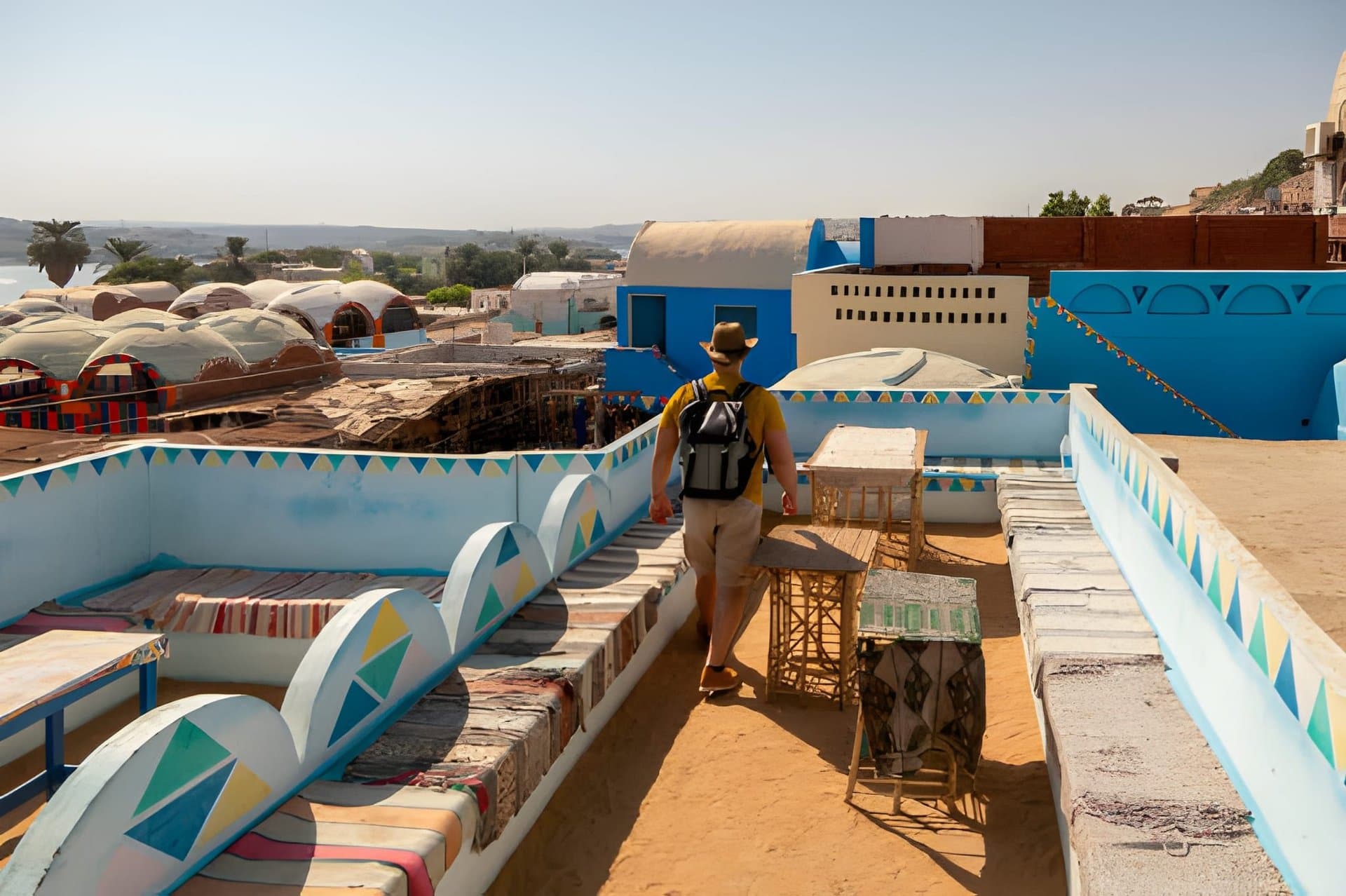
While Egypt’s main attractions are undoubtedly breathtaking, some of the most rewarding photographic experiences can be found off the beaten path. Venture beyond the tourist hotspots to discover hidden temples, tranquil oases, and traditional Nubian villages. Aswan, with its colorful houses and relaxed atmosphere, is a favorite among photographers seeking authentic local life and vibrant river scenes.
The White Desert, with its surreal rock formations, and Siwa Oasis, with its ancient mud-brick fortresses, offer unique landscapes that contrast beautifully with Egypt’s more famous sites. Exploring these lesser-known destinations allows you to create a diverse photo portfolio and share stories that go beyond the expected.
Planning Your Photographic Journey in Egypt
To maximize your photography experience, careful planning is essential. Consider the best times of year for the destinations you wish to visit, as Egypt’s climate varies from north to south. Spring and autumn offer pleasant temperatures and softer light, ideal for both sightseeing and photography. Research local customs and events to coincide your trip with photogenic festivals or cultural happenings.
Traveling with a guide or on a tour can enhance your experience by providing insider knowledge and access to unique locations. Many tours are tailored for photographers, ensuring you have ample time and the best angles at each site. Whether you’re traveling solo, with family, or as part of a group, Egypt’s welcoming spirit and breathtaking scenery promise a photographic adventure like no other.
Frequently Asked Questions
What are the best times of day to photograph Egypt’s monuments?
The golden hours—shortly after sunrise and just before sunset—offer the best light for capturing Egypt’s monuments. The soft, warm light highlights the textures and colors of ancient stone, while long shadows add depth and drama to your photos. Early mornings are also less crowded, giving you unobstructed views of popular sites like the pyramids and temples.
Do I need a permit to photograph inside temples and tombs?
Photography regulations vary by site. While outdoor photography is generally allowed, many tombs and museums prohibit photography or require a special permit, especially for professional equipment. Always check the rules at each location and respect any restrictions to avoid fines or confiscation of your gear.
Is it safe to carry expensive camera equipment in Egypt?
Egypt is generally safe for tourists, but as with any destination, it’s important to stay vigilant. Keep your camera gear secure, avoid displaying expensive equipment in crowded areas, and use a discreet camera bag. When photographing in busy markets or urban areas, remain aware of your surroundings to prevent petty theft.
Can I photograph local people in Egypt?
It’s always best to ask permission before photographing individuals, especially in rural areas or during religious events. Many Egyptians are friendly and happy to be photographed, but showing respect and courtesy is essential. Learn a few polite phrases in Arabic to help with communication, and be mindful of cultural sensitivities.
What type of camera gear is best for photographing Egypt?
A versatile kit is ideal for Egypt. A wide-angle lens is perfect for capturing sweeping landscapes and grand monuments, while a telephoto lens is useful for details and candid shots from a distance. A lightweight tripod can help with low-light scenes, and a polarizing filter will enhance skies and reduce glare. Don’t forget extra batteries and memory cards, as charging opportunities may be limited during day trips.
How can I make the most of my photography tour in Egypt?
To get the best results, plan your itinerary around sunrise and sunset, take time to explore off-the-beaten-path locations, and engage with local guides for insider tips. Joining organized tours or cruises can provide unique perspectives and access to less-visited sites, ensuring you return home with a diverse and captivating collection of images.