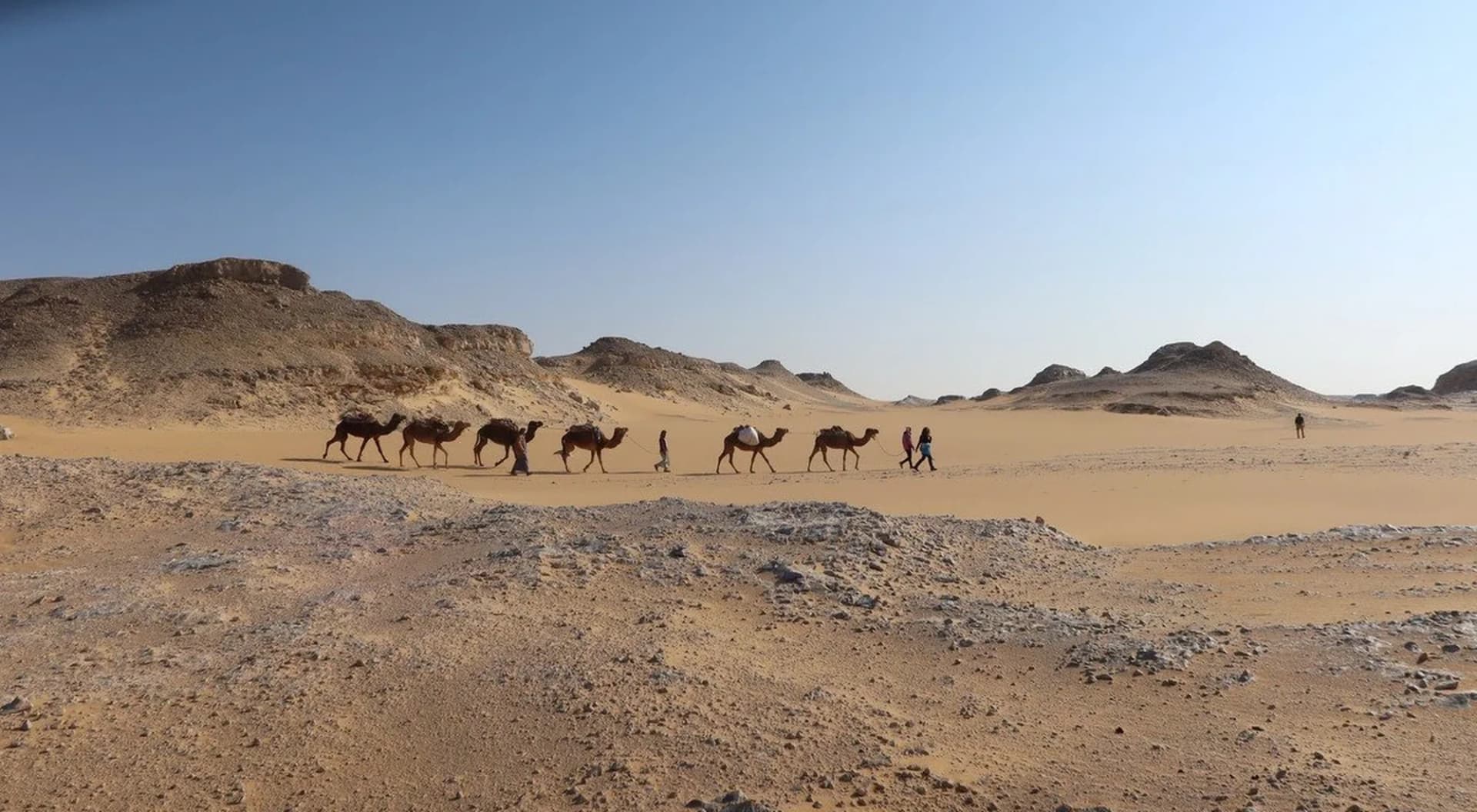
The Best Time To Visit Egypt
The best time to visit Egypt is from October to April, when the weather is pleasantly mild, making outdoor exploration of ancient sites and Nile cruises most enjoyable. Avoiding the peak summer heat ensures a comfortable experience whether you’re touring Cairo, Luxor, or the Red Sea resorts.
Key Takeaways
- The most comfortable months for sightseeing in Egypt are October through April, when temperatures are milder.
- Egypt has 7 UNESCO World Heritage sites, all accessible year-round, but best experienced outside the summer heat (per UNESCO).
- Photography with a mobile phone is free of charge at Ministry sites, including major museums and monuments (per the Ministry's official ticketing service).
- Free entry to monuments and museums is available for children under 6, Egyptian seniors 60+, Egyptians with special needs, and orphaned children, with some exceptions at NMEC (per the Ministry of Tourism and Antiquities).
- Ramadan brings reduced opening hours at museums and sites, published per-site on the ticketing portal (per the Ministry's official ticketing service).
Understanding Egypt’s Climate: What to Expect Each Season
Egypt’s climate is predominantly desert, with hot summers and mild winters. Summer, from May to September, can see extremely high temperatures, especially in Upper Egypt (Luxor and Aswan), making daytime sightseeing challenging. In contrast, winter (October to April) offers cooler days and crisp evenings, ideal for long walks through ancient ruins or bustling bazaars. Rain is rare outside the northern coast, so you can expect dry conditions almost everywhere.
If you’re considering a trip focused on outdoor activities or visiting open-air temples, winter is the safest bet. For those interested in water sports or Red Sea resorts, the shoulder seasons (late spring and early autumn) balance warmth and fewer crowds. For a detailed look at how many days you might want in Luxor, read How Many Days Do You Need in Luxor?
Peak Tourist Seasons and Their Advantages
The high season for tourism in Egypt runs from October through April, coinciding with cooler weather. During these months, popular sites like the Pyramids of Giza, Karnak Temple, and the Valley of the Kings are bustling with visitors. This period is also when you’ll find the widest selection of tours, cruises, and group excursions, with many operators offering their best services.
Traveling during peak season guarantees that all attractions are fully operational, and cultural festivals, such as the Abu Simbel Sun Festival in February and October, are in full swing. However, expect higher prices and larger crowds at major sites. If you’re planning to join a guided tour, booking in advance is recommended to secure your preferred dates and guides.
Traveling During Low Season: Pros and Cons
Egypt’s low season, from May to September, is marked by soaring temperatures, especially in Upper Egypt, where daytime highs can be intense. The advantage of traveling during these months is the significant drop in visitor numbers, making it easier to enjoy popular attractions with minimal crowds. Hotels and tours often offer discounts, and you’ll have more flexibility to customize your itinerary.
However, be prepared for the heat, especially if you plan to explore archaeological sites or walk long distances. Early morning and late afternoon are the best times for outdoor activities, while midday is better spent in shaded museums or relaxing by a pool. For those seeking adventure in the Sinai or Red Sea, the coastal breeze makes beach resorts more comfortable even in summer.
For a unique desert adventure, consider the Quad Bike and Camel Safari in Sharm El Sheikh, which offers a thrilling way to experience the landscape during quieter months.
Special Considerations: Ramadan and Egyptian Holidays
Ramadan, the Islamic holy month, shifts each year according to the lunar calendar and brings some changes to travel in Egypt. Museums and archaeological sites operate on reduced opening hours, which are published per-site on the official ticketing portal (per the Ministry's official ticketing service). During Ramadan, many restaurants and shops may open later in the day, and the atmosphere is more subdued until sunset, when lively communal meals begin.
Visiting during Ramadan offers a unique cultural experience, but it’s important to plan your sightseeing around the shorter opening times. Major public holidays can also affect site access and local transport, so check schedules in advance. If you’re interested in a comprehensive experience, the 08 Days Private Egypt Trip is designed to help travelers navigate these nuances with ease.
Essential Tips for Visiting Egypt’s Monuments and Museums
When visiting Egypt’s renowned monuments and museums, a few practical tips can make your experience smoother. Always arrive at least one hour before the site’s closing time, as recommended by the Ministry's official ticketing service. Entry is free for children under 6, Egyptian seniors aged 60 and above, Egyptians with special needs, and orphaned children, with some exceptions at NMEC for certain days (per the Ministry of Tourism and Antiquities).
Students aged 24 or under with a valid student ID are eligible for discounted tickets. All ticket prices at monuments are in Egyptian Pounds (EGP), and at Giza, self-service machines accept bank cards for site tickets. Mobile phone photography is free of charge at Ministry sites, but commercial filming requires prior permission. For a closer look at the accessibility of Egypt’s attractions for older visitors, see Is Egypt a Good Destination for Senior Travelers? Comfortable & Accessible Options.
Exploring the Nile: Cruises and River Adventures
A Nile cruise is a classic way to experience Egypt’s ancient wonders while enjoying modern comforts. The best time for a Nile cruise is between October and April, when the weather is cool enough for deck lounging and shore excursions. Cruises typically run between Luxor and Aswan, stopping at iconic temples and tombs along the way.
During summer, river cruises still operate, but outdoor excursions can be challenging due to the heat. Booking a cruise during the shoulder season (late autumn or early spring) combines pleasant weather with fewer tourists. For a memorable journey, consider the Adonis Nile Cruise, which offers a blend of luxury and authentic Egyptian hospitality.
Visiting Luxor and Upper Egypt: Timing Your Journey
Luxor, often called the world’s greatest open-air museum, is home to the Karnak and Luxor Temples and the Valley of the Kings, all part of a single UNESCO World Heritage property, Ancient Thebes with its Necropolis (per UNESCO). The best time to visit Luxor is from November to March, when daytime temperatures are comfortable for exploring extensive archaeological complexes.
Summer visits are possible, but early morning or late afternoon tours are essential to avoid the midday heat. Luxor’s attractions, such as the stunning Luxor Temple, are illuminated in the evening, offering a magical experience after sunset. Plan your itinerary to include both daytime exploration and evening visits for the full effect.
Red Sea Resorts and Coastal Escapes: Best Months for Sun and Sea
For travelers seeking sun, sand, and water sports, Egypt’s Red Sea coast is a year-round destination. However, the most pleasant conditions are from March to June and September to November, when the sea is warm and the air is not oppressively hot. Resorts in Sharm El Sheikh, Hurghada, and Marsa Alam offer world-class diving, snorkeling, and relaxation.
Summer months can be very hot, but the sea breeze keeps the coast bearable, especially for those focusing on aquatic activities. Winter brings cooler evenings but generally sunny days, making it ideal for both adventure and relaxation. For those interested in a blend of desert and sea, a safari or quad biking tour adds excitement to the coastal experience.
How to Plan Your Egypt Trip: Duration, Itineraries, and Booking Tips
The ideal length of a trip to Egypt depends on your interests and the regions you wish to explore. A classic itinerary covers Cairo, Luxor, Aswan, and a Nile cruise, typically requiring 8–10 days for a well-paced journey. For those with limited time, focusing on a single region like Luxor or the Red Sea is rewarding.
Booking tours and tickets in advance is recommended during peak season, especially for Nile cruises and guided excursions. Official fees and opening hours are revised periodically, so always check the latest information on the Ministry’s ticketing portal before finalizing your plans. For tailored itineraries, private packages and day tours offer flexibility and convenience.
Frequently Asked Questions
-
What is the most comfortable month to visit Egypt?
October through April are the most comfortable months to visit Egypt, with mild weather ideal for sightseeing and outdoor activities. -
Are major tourist sites open during Ramadan?
Yes, all major sites remain open during Ramadan, but they operate with reduced hours, which are published per-site on the official ticketing portal. -
Is mobile phone photography allowed at Egyptian monuments?
Photography with a mobile phone is free of charge at Ministry sites, including major monuments and museums (per the Ministry's official ticketing service). -
Can I pay for monument tickets with a bank card?
At Giza, self-service machines accept bank cards for site tickets, but card acceptance is not guaranteed at all monuments (per the Ministry of Tourism and Antiquities). -
Who is eligible for free entry at Egyptian museums and monuments?
Free entry is available for children under 6, Egyptian seniors 60+, Egyptians with special needs, and orphaned children, with some exceptions at NMEC (per the Ministry of Tourism and Antiquities). -
How many UNESCO World Heritage sites are in Egypt?
Egypt is home to 7 UNESCO World Heritage sites (per UNESCO), including ancient cities, temples, and natural reserves.