Attraction

Luxor Temple

A breathtaking ancient Egyptian temple in the heart of Luxor, celebrated for its grand colonnades, nightly illuminations, and rich pharaonic history.

Luxor Temple

Overview

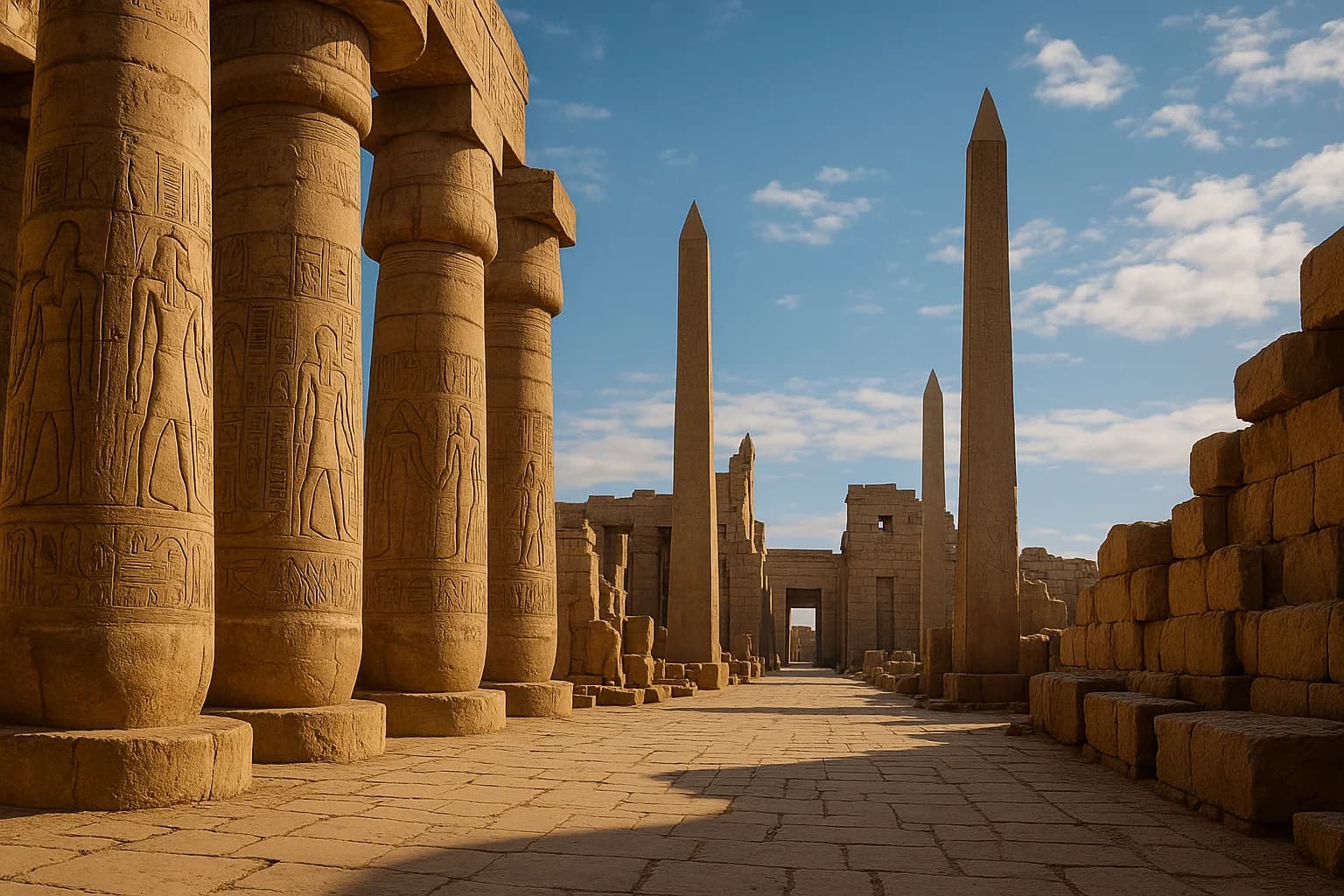
Luxor Temple is a magnificent ancient Egyptian sanctuary set in the center of Luxor, just steps from the Nile. Unlike any other monument in Egypt, the temple is renowned for its grand entrance, towering obelisks, and the avenue of sphinxes that once connected it to Karnak Temple. Travelers flock to Luxor Temple for its awe-inspiring architecture, atmospheric evening illuminations, and its role as the spiritual heart of Thebes. With its central location and deep historical significance, Luxor Temple is an essential stop for anyone seeking to experience the splendor of Egypt’s ancient civilization.

Why Visit Luxor Temple

Visiting Luxor Temple offers a unique opportunity to step into the heart of ancient Thebes. The temple’s dramatic colonnades, intricate carvings, and imposing statues create an immersive experience that brings pharaonic history to life. At dusk, the monument glows under atmospheric lighting, delivering one of Egypt’s most unforgettable sights. Its central location makes it easy to include in any itinerary, whether as part of a guided tour or an independent exploration. Luxor Temple is also less crowded than some larger sites, allowing for a more personal and contemplative visit.

History of Luxor Temple

Luxor Temple was constructed around 1400 BCE during the reign of Pharaoh Amenhotep III, with later additions by Tutankhamun, Horemheb, and the great Ramses II. Unlike most other temples in ancient Egypt, Luxor Temple was not dedicated to a single deity but to the rejuvenation of kingship and the divine triad of Amun, Mut, and Khonsu. It played a central role in the annual Opet Festival, where statues of the gods were paraded from Karnak to Luxor Temple along the Avenue of Sphinxes—a tradition reflecting the temple’s importance in legitimizing the pharaoh’s rule.

Throughout its long history, Luxor Temple has seen layers of change and adaptation. The Romans converted parts of the temple into a military camp, while later, a Christian church was built within its walls. In the Islamic era, the Abu Haggag Mosque was established atop the ancient ruins and remains active today, symbolizing the site’s continuous spiritual significance. Archaeological excavations have revealed stunning reliefs, colossal statues, and evidence of the temple’s pivotal role in both religious and political life during Egypt’s New Kingdom and beyond. Today, Luxor Temple stands as a living monument, showcasing over three millennia of Egyptian history and architectural achievement.
What to See at Luxor Temple

  • The majestic First Pylon and colossal statues of Ramses II at the entrance
  • The Avenue of Sphinxes linking Luxor Temple to Karnak Temple
  • The grand Colonnade Hall with soaring papyrus columns
  • Intricate hieroglyphic reliefs depicting pharaonic rituals and festivals
  • The inner sanctuary dedicated to the Theban triad (Amun, Mut, Khonsu)
  • Abu Haggag Mosque, built atop the ancient ruins
  • The illuminated temple at night, offering a magical atmosphere
  • Roman-era frescoes and reused architectural elements

Best Time to Visit Luxor Temple

Visit from October to April for mild weather; sunset and early evening offer cooler temperatures and beautiful lighting.

How to Get to Luxor Temple

Luxor Temple is centrally located in Luxor, easily reached on foot from most hotels or by taxi. Visitors arriving by Nile cruise can walk from the riverside docks, while those coming from Luxor International Airport can reach the temple in about 20 minutes by car.

Nearby Attractions

Tours That Include Luxor Temple

4 Night Luxor to Aswan Nile Cruise

A classic Nile cruise itinerary with temple visits, river views, and a comfortable four-night rhythm.

4-Day Nile Cruise from Aswan to Luxor

Set sail on a captivating 4-day Nile cruise from Aswan to Luxor, where the ancient world unfolds before your eyes. Journey along the legendary Nile River and uncover Egypt’s most iconic temples and monuments. Begin in Aswan with visits to the High Dam and the enchanting Philae Temple, then continue to Kom Ombo and Edfu to explore magnificent sanctuaries dedicated to ancient gods. As you sail northward, reach Luxor—the open-air museum of Egypt—home to the grand Karnak and Luxor Temples and the royal tombs of the Valley of the Kings. With expert-guided tours, comfortable accommodations, and full

4 Day 3 Night Nile Cruise from Aswan to Luxor

Set sail on a remarkable 4-day, 3-night Nile cruise from Aswan to Luxor, where the grandeur of ancient Egypt unfolds before your eyes. Journey along the legendary Nile River aboard a comfortable cruise ship, visiting some of the most iconic archaeological sites in the world. Discover the enchanting Temple of Philae in Aswan, the twin sanctuaries of Kom Ombo, and the magnificent Temple of Horus in Edfu. Continue to Luxor to explore the Valley of the Kings, the Temple of Hatshepsut, and the colossal statues of Memnon on the West Bank, before concluding your adventure at the awe-inspiring Karnak

Luxury Cairo, Luxor and Aswan Package

An upscale private journey that combines Cairo highlights, a polished Luxor stay, and a refined Aswan finish.

Classic Cairo and Luxor Private Tour

A first-time Egypt itinerary that balances Cairo icons with Luxor's major temple sites over one well-paced private journey.

06 Days Cairo to Luxor Tour

Experience the essence of Egypt in just six days on this immersive journey from Cairo to Luxor. Begin in the capital, where you’ll stand before the legendary Pyramids of Giza, explore the Grand Egyptian Museum, and wander through the historic Citadel and the lively Khan El Khalili Bazaar. Then, fly south to Luxor to uncover the monumental temples of Karnak and Luxor, glide above the ancient city in a hot air balloon, and walk through the Valley of the Kings. This thoughtfully designed itinerary combines expert guidance, seamless travel, and a perfect balance of history and culture for an unfor

Travel Tips Before Visiting

  • Arrive just before sunset to enjoy both daylight and magical evening lighting.
  • Wear comfortable shoes, as the temple grounds are extensive and uneven in places.
  • Photography is allowed; a tripod can be useful for night shots but check current regulations.
  • Bring water, especially if visiting during the warmer months.
  • Combine your visit with nearby attractions like Karnak Temple for a fuller experience.
  • Consider joining a guided tour to gain deeper insight into the temple’s symbolism and history.
  • Watch your step on worn stone floors and mind low lighting at night.
  • Respect the Abu Haggag Mosque, which is still active, by dressing modestly near its entrance.

Frequently Asked Questions

Is Luxor Temple worth visiting?
Luxor Temple is absolutely worth visiting for its stunning architecture, rich history, and central location, making it a highlight of any Luxor itinerary.
How long do you need at Luxor Temple?
Most visitors spend 1 to 2 hours exploring Luxor Temple, allowing enough time to admire its main features and soak in the atmosphere.
Can you visit Luxor Temple at night?
Yes, Luxor Temple is beautifully illuminated after sunset, offering a unique and magical experience that's highly recommended.
What is unique about Luxor Temple compared to Karnak Temple?
Unlike the vast Karnak complex, Luxor Temple offers a more compact and intimate setting, with well-preserved reliefs and a direct connection to the city’s living history.
Is the Abu Haggag Mosque at Luxor Temple open to visitors?
The Abu Haggag Mosque is an active place of worship within Luxor Temple; while non-Muslims typically cannot enter during prayer, it can be admired from outside.
WhatsApp