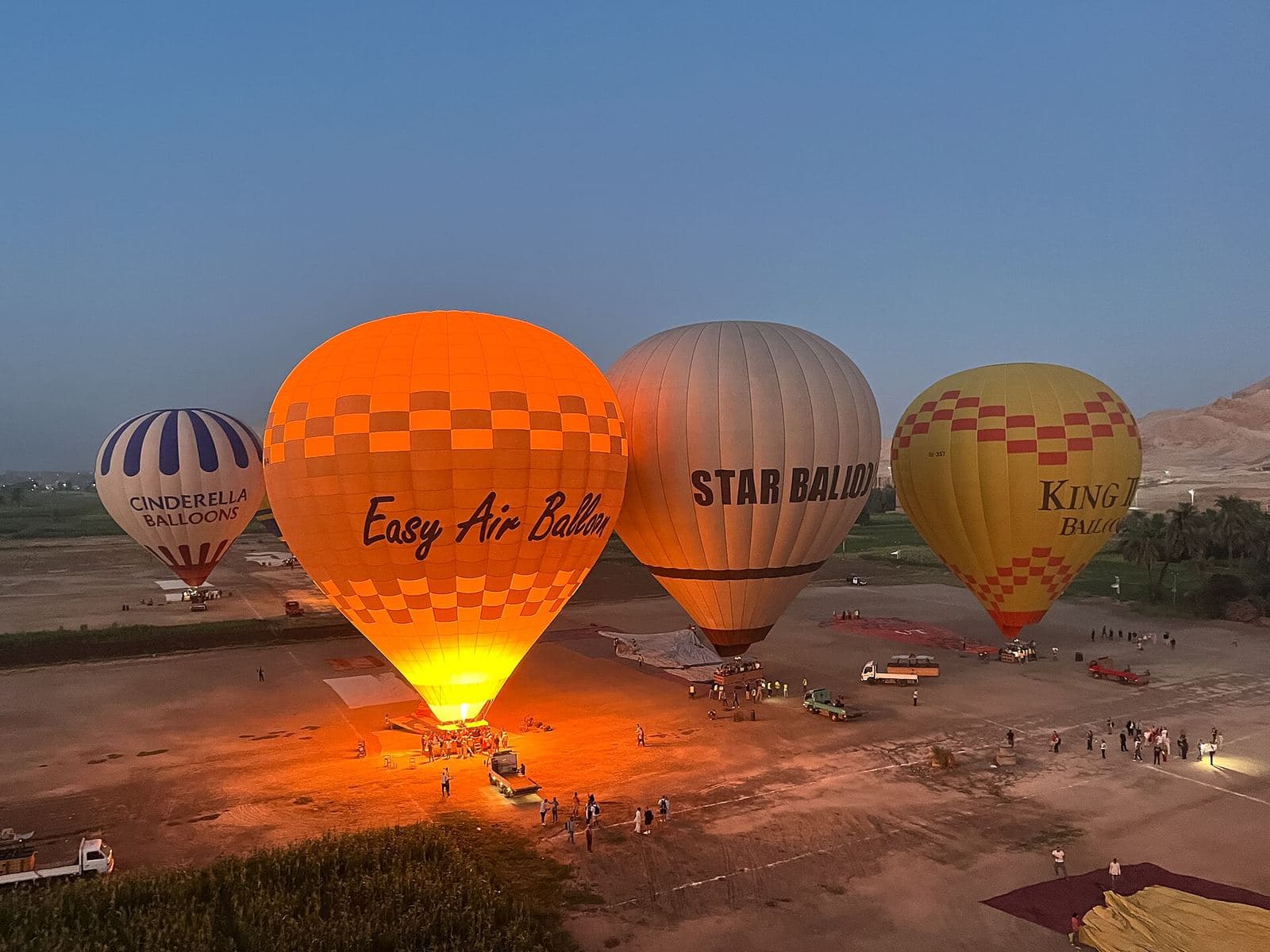
Yes, you can take photos at the pyramids, temples and most museums — photography with a mobile phone is free at Ministry of Tourism and Antiquities sites. The limits are elsewhere: professional equipment needs a permit, some museum galleries restrict photos, and photographing people, children, officials or military property carries real legal risk.
Key takeaways
- Mobile phone photography is free of charge at Ministry sites and museums; commercial filming needs prior permission.
- Entering Egypt with professional photo or film equipment — including lighting rigs and photography umbrellas — requires a permit.
- At the Grand Egyptian Museum, personal photography is allowed except in designated areas of the Tutankhamun Galleries.
- Photographing military property, including the Suez Canal, is illegal. So are photos considered damaging to the country's image.
- UK government advice says Egyptian regulations require written permission before photographing an Egyptian citizen, and that photographing children is prohibited.
What is allowed where
| Place | Phone photos | What to watch |
|---|---|---|
| Giza pyramids and plateau | Free | Tripods, drones and commercial shoots are a different matter |
| Temples (Karnak, Luxor, Edfu, Philae…) | Free | Follow signs inside tombs and sanctuaries; flash damages paint |
| Grand Egyptian Museum | Allowed | Restricted in designated areas of the Tutankhamun Galleries |
| Mosques and churches | Usually, with discretion | Not during prayer, and never of worshippers without asking |
| Streets and markets | Scenes, yes | Individuals need their permission; children should not be photographed |
| Airports, bridges, police, military areas | No | Illegal near military property, including the Suez Canal |
People: the rule most visitors get wrong
The UK Foreign Office summarises Egypt's Ministry of Tourism regulations bluntly: get an Egyptian citizen's written permission before you take their photo, do not photograph children, and do not photograph officials without consent. In practice most visitors ask verbally and move on if the answer is no. What you should not do is photograph a stranger at close range without asking, or post an image that could embarrass them.
At the big sites, expect people to offer you "the best photo spot" and then ask for payment. That is one of the small tricks covered in our guide to common tourist scams in Egypt.
Cameras, tripods and drones
A normal camera in your day bag is fine. The permit requirement is aimed at professional kit — lighting, umbrellas, anything that blocks a public space. Drones are a separate, much stricter case: see our drone rules for Egypt before you pack one.
Where to shoot
For locations, light and timing rather than rules, read our Egypt photography guide, or look at trips designed around it on Egypt trips for photographers.
Frequently asked questions
Do I need a ticket to take photos inside the tombs?
Phone photography is free under the Ministry's published rules, but individual tombs and galleries can post their own restrictions. Follow the sign at the entrance, and check the site's page on the official portal, egymonuments.com.
Can I use flash?
Avoid it inside tombs and near painted surfaces. Where it is banned, guards enforce it.
Can I photograph the Tutankhamun mask?
The Tutankhamun collection is at the Grand Egyptian Museum, where photography is restricted in designated areas of those galleries. Staff will tell you where.
Reviewed September 2026.