The vision for the Grand Egyptian Museum was born in the early 2000s, as Egypt sought a world-class venue to preserve and display its unparalleled archaeological treasures. Construction began in 2002 on a site overlooking the Giza Plateau, just 2 kilometers from the iconic pyramids. The museum’s design—chosen through an international competition—features striking contemporary architecture inspired by Egypt’s desert landscape and ancient geometry, with an enormous glass façade framing views of the pyramids.
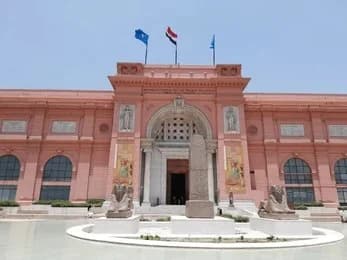
GEM was conceived to address the limitations of the older Egyptian Museum in Tahrir Square, which had become overcrowded and lacked modern conservation facilities. The new museum’s expansive galleries, advanced climate control, and conservation labs set new standards for artifact preservation. One of GEM’s most ambitious achievements is the transfer and planned display of the entire collection from Tutankhamun’s tomb, many pieces of which have never been exhibited together. The museum also brings together monumental statues, intricate jewelry, papyri, and everyday objects from pharaonic, Greco-Roman, and later periods.
Though opening has been phased, GEM’s completion marks a transformative moment for Egyptology and tourism, positioning Cairo and Giza as global centers for the study and appreciation of ancient Egypt. The museum’s innovative approach, blending technology with tradition, ensures that Egypt’s heritage will inspire generations to come.