Egyptian Museum vs NMEC vs the Grand Egyptian Museum: Which Cairo Museum Should You Visit?
For travelers captivated by the wonders of Ancient Egypt, Cairo’s museums offer an unparalleled journey through millennia of history and culture. With the opening of the Grand Egyptian Museum (GEM), the city now boasts three world-class institutions: the Egyptian Museum in Tahrir Square, the National Museum of Egyptian Civilization (NMEC), and GEM near the Pyramids of Giza. But which museum should you prioritize on your Cairo itinerary? This comprehensive guide explores each museum’s highlights, practical details, and unique experiences to help you decide which is right for your adventure.
The Egyptian Museum, Tahrir: The Original Treasure House
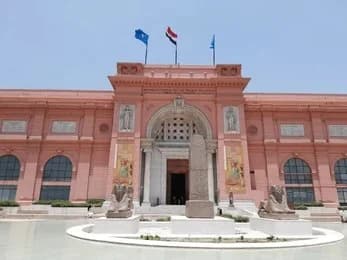
Since its inauguration in 1902, the Egyptian Museum in Tahrir Square has been the beating heart of Egyptology. Its iconic pink façade is synonymous with the golden age of archaeological discovery. The museum’s labyrinthine halls are packed with more than 120,000 artifacts, from colossal statues to delicate jewelry. Here, you’ll encounter masterpieces like the Narmer Palette, the treasures of Yuya and Thuya, and countless objects spanning Egypt’s dynastic timeline.
For those planning a broader Egypt trip, consider the 6 Days Egypt Tour, which often includes guided visits to the Egyptian Museum alongside other historic sites, offering a curated introduction to the country’s highlights.
The Egyptian Museum’s opening hours are daily from 09:00 AM to 05:00 PM, with last entry at 04:00 PM all year except Ramadan, when last entry is 03:00 PM. Ticket prices for foreign adults are EGP 550 and EGP 275 for students, while Egyptian adults pay EGP 30 and students EGP 10. Free entry is granted to children under 6, Egyptian seniors 60+, Egyptians with special needs, and orphaned children, per the Ministry of Tourism and Antiquities. Students must present a valid ID and be 24 years old or younger.
The National Museum of Egyptian Civilization (NMEC): Home of the Royal Mummies
Located in Fustat, the NMEC offers a modern, immersive experience that spans Egypt’s entire history—from prehistory through the Pharaonic, Greco-Roman, Coptic, Islamic, and modern eras. Its crown jewel is the Royal Mummies Gallery, where visitors can view the mummies of 17 kings and 3 queens of ancient Egypt, including Ramses II and Hatshepsut. This gallery is both a scientific marvel and a moving encounter with Egypt’s most legendary rulers.
Entry fees for foreign adults are EGP 550 and EGP 300 for students. Egyptian adults pay EGP 90 and students EGP 45. There are also ticket bundles with guided tours available. NMEC is not part of the Cairo Pass. The museum’s standard hours are daily from 09:00 AM to 05:00 PM, with evening hours (18:00-21:00, last ticket 20:00) and reduced Ramadan hours. The same free entry policy applies as at other Ministry museums, except on Fridays, Saturdays, and public holidays.
If you want to delve deeper into Egypt’s diverse cultures, you might enjoy reading Inside Egypt's Nubian Culture: Traditions, Colors, and Daily Life for insight into one of the country’s vibrant communities.
The Grand Egyptian Museum (GEM): A New Era for Egyptian Antiquities
Set against the dramatic backdrop of the Pyramids of Giza, the Grand Egyptian Museum is the largest archaeological museum complex in the world. Its light-filled galleries and cutting-edge displays have redefined how Egypt’s treasures are experienced. Most notably, GEM is now the exclusive home of the Tutankhamun Galleries, where the full collection of the Boy King’s treasures is displayed together for the first time.
GEM’s opening hours are as follows: on Sunday, Monday, Tuesday, Thursday, and Friday, the GEM Complex is open 08:30-19:00, with galleries from 09:00-18:00 (last entry at 17:00). On Saturday and Wednesday, the complex is open 08:30-22:00, with galleries from 09:00-21:00 (last entry at 20:00). All tickets must be booked online in advance with a timed entry slot, as stated by the Grand Egyptian Museum. The museum does not publish its admission price; check the official booking channel for up-to-date fees. Personal photography is permitted except in designated areas within the Tutankhamun Galleries.
To complement your visit, consider an active exploration of the Giza Plateau with an ATV Ride Around the Giza Pyramids, combining adventure with world-class antiquities nearby.
Comparing Collections: What Will You See?
Each museum offers a distinct lens on Egypt’s heritage:
- Egyptian Museum, Tahrir: Renowned for its dense, encyclopedic collection, this museum houses a vast array of artifacts from every period of ancient Egyptian history. While some high-profile treasures (like Tutankhamun’s collection) have moved to GEM, many masterpieces remain, including the treasures of Yuya and Thuya, the Narmer Palette, and countless funerary objects.
- NMEC: The highlight is the Royal Mummies Gallery, where you can come face-to-face with 20 of Egypt’s greatest rulers. The museum also presents a narrative of Egyptian civilization across all eras, making it ideal for those interested in the full sweep of the country’s history.
- GEM: The star attraction is the Tutankhamun Galleries, displayed with modern museology and interactive features. GEM also hosts monumental statues, colossal architectural elements, and thematic galleries that bring ancient Egypt vividly to life.
If you are inspired by Egypt’s ancient temples, you might want to explore the Kom Ombo Temple in Aswan, another must-see site for history enthusiasts.
Visitor Experience: Layout, Accessibility, and Atmosphere
The visitor experience varies greatly between the three museums:
- Egyptian Museum, Tahrir: The building’s historic charm is undeniable, but its layout can feel overwhelming. Labels and signage are improving, but some galleries may appear crowded or dimly lit. The museum is centrally located, making it easy to combine with other downtown attractions.
- NMEC: Designed for accessibility, NMEC offers wide corridors, clear signage, and interactive displays. The Royal Mummies Gallery is particularly atmospheric, using lighting and multimedia to enhance the experience. Its location in Fustat connects you with Old Cairo’s other religious and historic sites.
- GEM: The GEM is a marvel of modern architecture, with spacious galleries, climate control, and state-of-the-art facilities. It is located near the Giza Pyramids, making it an ideal pairing with a visit to the ancient wonders just outside.
For those considering a longer Nile journey, the MS Nile Style Nile Cruise offers a luxurious way to experience Egypt’s treasures from Cairo to Aswan and beyond.
Practical Information: Tickets, Hours, and Photography
When planning your museum visits, keep these practicalities in mind:
- Tickets: All monument ticket prices are in Egyptian Pounds (EGP). For the Egyptian Museum and NMEC, foreign adult tickets are EGP 550, with student discounts available (valid student ID and age not exceeding 24 required). Egyptian citizens and students enjoy significantly reduced rates. At GEM, admission prices are not published online—consult the official booking platform for the latest fees. Free entry is available for children under 6, Egyptian seniors 60+, Egyptians with special needs, and orphaned children (with some date restrictions at NMEC).
- Opening Hours: Each museum operates on its own schedule, with reduced hours during Ramadan and seasonal adjustments. For all sites, it is recommended to arrive at least one hour before closing time.
- Photography: At Ministry museums (Egyptian Museum and NMEC), photography with a mobile phone is free of charge, but commercial filming requires permission. At GEM, personal photography is permitted except in certain areas, notably within the Tutankhamun Galleries.
For inspiration on what to see in other Egyptian cities, check out Essential Aswan Tours: A First-Time Visitor’s Guide for top recommendations in Aswan.
Location and How to Get There
The three museums are spread across Cairo and Giza:
- Egyptian Museum, Tahrir: Located at the heart of downtown Cairo in Tahrir Square, easily accessible by metro, taxi, or on foot from many central hotels.
- NMEC: Situated in Fustat, Old Cairo, the NMEC is close to the Coptic Museum, Hanging Church, and Amr Ibn Al-As Mosque. It’s a short taxi ride from central Cairo or can be reached via the Mar Girgis metro station.
- Grand Egyptian Museum (GEM): Found at El Remayah Square, Cairo-Alexandria Desert Road, Giza, near the Pyramids of Giza. It’s best reached by taxi or ride-share from central Cairo. Many tours combine a visit to GEM with the Giza Plateau.
If you’re planning to visit both GEM and the pyramids, consider combining your museum day with an outdoor adventure, like the ATV Ride Around the Giza Pyramids for a memorable experience.
When to Visit: Timing Your Museum Experience
Cairo’s climate varies throughout the year, with the World Meteorological Organization reporting average daily highs of 19.0°C in January and 34.8°C in July. If you prefer milder temperatures, consider visiting in the cooler months (October to April). All three museums are air-conditioned and provide respite from the city’s heat, but planning your outdoor excursions to the pyramids or Old Cairo is best done outside the peak summer months.
Keep in mind that official museum hours and ticket prices are periodically revised. Always check the official websites or booking portals for the latest information before your visit. During Ramadan, opening hours are reduced and published per site on the ticketing portal.
Which Museum Is Right for You?
Choosing between the Egyptian Museum, NMEC, and GEM depends on your interests and travel plans:
- For history purists: The Egyptian Museum in Tahrir is a must for its classic atmosphere and dense displays.
- For those fascinated by mummies: NMEC’s Royal Mummies Gallery offers an intimate look at Egypt’s legendary rulers.
- For fans of Tutankhamun and cutting-edge exhibits: GEM provides a spectacular, modern showcase near the iconic pyramids.
Many travelers find that each museum offers something unique, and visiting more than one deepens your understanding of Egypt’s extraordinary legacy. If you’re exploring Egypt on a guided itinerary, the 6 Days Egypt Tour is a convenient way to experience all three museums alongside other major attractions.
Frequently Asked Questions
Which museum in Cairo has the Tutankhamun collection?
The Grand Egyptian Museum (GEM) in Giza is now the exclusive home of the Tutankhamun Galleries, where the complete collection is displayed together for the first time. Standard admission to GEM includes access to these galleries.
Where can I see the royal mummies in Cairo?
The Royal Mummies Gallery is located at the National Museum of Egyptian Civilization (NMEC) in Fustat, Cairo. This gallery displays the mummies of 17 kings and 3 queens of ancient Egypt.
Do I need to book tickets in advance for the Grand Egyptian Museum?
Yes, all tickets for the Grand Egyptian Museum must be booked online in advance with a selected entry time slot, as required by the museum’s official policy.
Is photography allowed inside Cairo’s museums?
At the Egyptian Museum and NMEC, photography with a mobile phone is free of charge. At GEM, personal photography is permitted except in designated areas within the Tutankhamun Galleries. Commercial or professional filming requires prior permission at all sites.
Are there discounts or free entry for children and students?
Yes. Children under 6, Egyptian seniors 60+, Egyptians with special needs, and orphaned children are granted free entry at Ministry museums (with some restrictions at NMEC). Students up to age 24 with a valid ID are eligible for discounted tickets at all three museums.
Can I visit the museums as part of a guided tour or Nile cruise?
Absolutely. Many Egypt travel packages and Nile cruises include museum visits. For example, the MS Nile Style Nile Cruise and the 6 Days Egypt Tour both offer opportunities to explore Cairo’s top museums with expert guides.