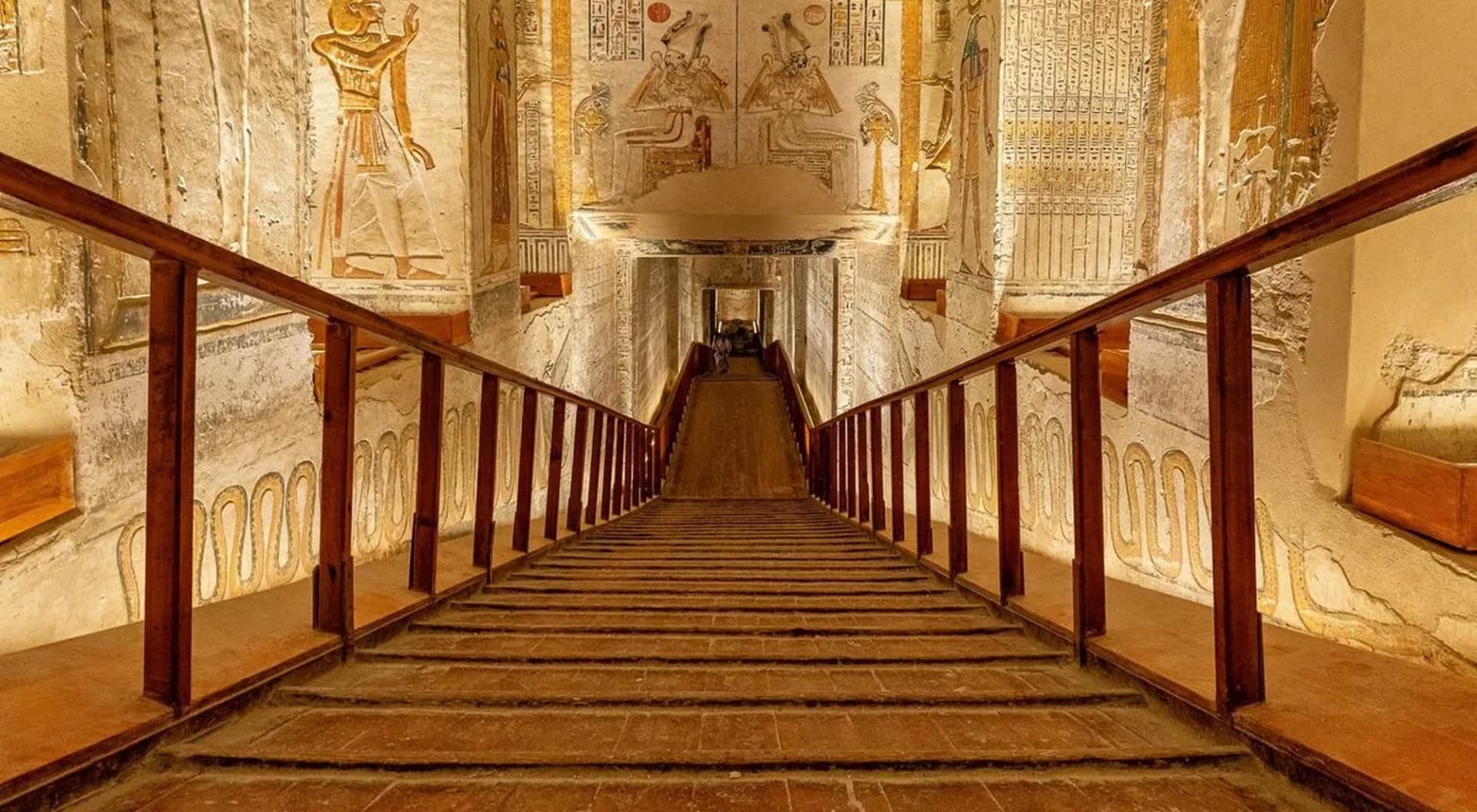
Valley of the Kings Luxor: Everything You Need to Know
Deep in the arid hills of Luxor’s West Bank lies a place where the ancient world’s secrets are carved into the very bedrock of history—the Valley of the Kings. This sprawling necropolis, shrouded in myth and legend, served as the burial ground for Egypt’s most illustrious pharaohs during the New Kingdom era. From the dazzling treasures of Tutankhamun to the enigmatic hieroglyphs lining the tomb walls, the Valley beckons travelers with its timeless allure. Whether you’re a history enthusiast, an adventure seeker, or simply a curious wanderer, this comprehensive guide will help you unlock everything you need to know before visiting one of Egypt’s most iconic UNESCO World Heritage Sites.
The History and Significance of the Valley of the Kings
The Valley of the Kings is not just a burial site; it’s a testament to the grandeur and spiritual beliefs of ancient Egypt. Nestled on the west bank of the Nile, opposite the modern city of Luxor, it became the principal burial ground for pharaohs and powerful nobles of the 18th, 19th, and 20th dynasties. Unlike the pyramids of Giza, which were vulnerable to tomb robbers, the Valley’s hidden tombs were designed to safeguard the mummified remains and treasures of Egypt’s rulers, ensuring their safe passage to the afterlife.
Over 60 tombs have been discovered in the Valley, each one offering a unique glimpse into the art, religion, and daily life of the ancient Egyptians. The most famous is undoubtedly the tomb of Tutankhamun, whose discovery in 1922 by Howard Carter captivated the world. The Valley’s significance extends beyond its archaeological treasures; it reflects a pivotal shift in Egyptian burial practices, from monumental pyramids to more secretive, rock-cut tombs.
For those interested in Egypt’s broader historical context, exploring other famed sites can enrich your journey. For example, Haram Street in Giza offers a vibrant glimpse into modern Egyptian culture, set against the backdrop of the ancient pyramids.
How to Get to the Valley of the Kings
Reaching the Valley of the Kings is an adventure in itself. Most travelers arrive in Luxor, either by air, train, or Nile cruise. From the city center, it’s a short drive across the Nile to the West Bank, where the Valley awaits amid stark desert hills. Taxis, private drivers, and organized tours are the most common ways to reach the site. Many visitors also choose to combine their trip with nearby attractions such as the Temple of Hatshepsut and the Colossi of Memnon.
For those short on time or looking for a seamless experience, consider joining a guided excursion. A popular option is the Day Trip to Luxor By Air from Sharm El Sheikh, which includes flights, transfers, and expert guides to help you make the most of your visit.
What to Expect: Layout and Notable Tombs
The Valley of the Kings is divided into the East and West valleys, though most of the famous tombs are located in the East. Visitors will find a modern visitor center at the entrance, where you can purchase tickets, hire guides, and learn more about the site’s history. The tombs themselves are scattered across the valley floor and carved deep into the limestone hills, accessible via winding paths and staircases.
Notable tombs include:
- Tutankhamun (KV62): The most famous tomb, notable for its treasures and the remarkable preservation of the boy king’s mummy.
- Ramses VI (KV9): Renowned for its spectacular astronomical ceiling and vivid wall paintings.
- Seti I (KV17): The longest and one of the most elaborately decorated tombs in the Valley.
- Thutmose III (KV34): Known for its unique layout and ancient graffiti left by early visitors.
Each tomb offers a distinct experience, with intricate hieroglyphics, stunning artwork, and glimpses into the beliefs of an ancient civilization. While not all tombs are open at any given time, a rotating selection ensures there’s always something remarkable to discover.
If you’re wondering how much time to allocate for your trip, the article How Many Days Do You Need in Luxor? provides practical advice for planning your itinerary and maximizing your sightseeing experience.
Best Time to Visit the Valley of the Kings
The climate in Luxor is typically hot and dry, with summer temperatures often soaring above 40°C (104°F). The best time to visit the Valley of the Kings is during the cooler months, from October to April, when daytime temperatures are more comfortable for exploring the tombs and hiking the surrounding hills. Early mornings are ideal, as crowds are thinner and the desert heat is less intense.
Visiting during the winter months not only ensures a more pleasant experience but also allows for better photography, as the soft morning light enhances the colors of the tomb paintings. Keep in mind that the Valley is a popular attraction, so arriving early or late in the afternoon can help you avoid peak crowds.
If you’re interested in combining your visit with an extended exploration of Egypt, consider the 11 Days Egypt Travel Package from USA, which features guided tours of Luxor, Cairo, and other iconic destinations.
Tickets, Entrance Fees, and Visitor Tips
Access to the Valley of the Kings requires the purchase of a general admission ticket, which typically includes entrance to three tombs of your choice. Some tombs, such as those of Tutankhamun, Seti I, and Ramses V/VI, require an additional ticket due to their exceptional significance and preservation. Tickets can be purchased at the visitor center, and it’s advisable to bring cash in Egyptian pounds for payment.
Photography is allowed in most tombs, but flash is strictly prohibited to protect the delicate wall paintings. It’s also recommended to wear comfortable shoes, bring water, and dress modestly to respect local customs. Hiring a licensed guide can greatly enhance your visit, providing context and stories that bring the ancient world to life.
For those seeking a broader Egyptian adventure, the Western Desert Travel Guide: Explore Egypt’s Untamed Frontier offers insights into Egypt’s lesser-known natural wonders, perfect for travelers eager to venture beyond the Nile Valley.
Exploring Luxor: Beyond the Valley of the Kings
While the Valley of the Kings is undoubtedly Luxor’s crown jewel, the city boasts a wealth of other attractions. The nearby Valley of the Queens, the mortuary temple of Hatshepsut, and the sprawling Karnak Temple complex are all must-see sites. A stroll along the Nile’s corniche, a visit to the bustling Luxor market, or a sunset felucca ride offer a glimpse into daily life in this timeless city.
Many travelers choose to explore Luxor as part of a multi-day journey through Egypt. One of the most memorable ways to experience the region is by joining a Nile cruise. The Farida Nile Cruise provides a luxurious and immersive way to travel between Luxor and Aswan, with guided excursions to ancient temples and comfortable accommodations along the way.
Tips for a Meaningful Visit to the Valley of the Kings
To make the most of your visit, it’s important to pace yourself and prioritize the tombs that interest you most. The Valley can be physically demanding, with stairs, uneven terrain, and hot weather. Bring sunscreen, a hat, and plenty of water. If you’re passionate about photography, plan your visit for early morning or late afternoon, when the light is soft and crowds are smaller.
Respect the delicate environment of the tombs by avoiding touching the walls and following all posted guidelines. Consider hiring a local guide to gain deeper insights into the art, symbolism, and stories behind each tomb. Guides can also help you navigate the site and recommend the best tombs to visit based on current openings and your interests.
Combining the Valley of the Kings with Other Egyptian Adventures
The Valley of the Kings is just one highlight in an Egypt itinerary filled with wonders. Many travelers pair their Luxor visit with trips to Cairo, Aswan, and the Red Sea. Whether you’re interested in ancient monuments, desert landscapes, or vibrant city life, Egypt offers something for every traveler. Plan ahead to maximize your time and consider booking tours or packages that include transportation, accommodations, and expert guides for a stress-free experience.
For those with a sense of adventure, exploring Egypt’s vast Western Desert or the bustling streets of Cairo can provide a fascinating contrast to the serene majesty of the Valley of the Kings.
Frequently Asked Questions
What is the Valley of the Kings?
The Valley of the Kings is an ancient royal burial ground located on the west bank of the Nile River near Luxor, Egypt. It was used primarily during the New Kingdom period (16th–11th centuries BC) as the final resting place for pharaohs and powerful nobles. The valley is famous for its richly decorated tombs, including that of Tutankhamun.
How many tombs can I visit in one day?
Your general admission ticket typically allows access to three tombs of your choice. Additional tickets are required for special tombs like those of Tutankhamun or Seti I. Depending on your pace and interest, most visitors explore three to five tombs in a single visit.
Is photography allowed inside the tombs?
Photography without flash is allowed in most tombs, but regulations may change, and some tombs prohibit photography altogether. Always check signage and respect the rules to help preserve the ancient artwork.
Can I visit the Valley of the Kings independently or do I need a guide?
You can visit independently, but hiring a licensed guide is highly recommended. Guides provide valuable context, historical background, and help you navigate the site efficiently, ensuring a more enriching experience.
What should I wear when visiting the Valley of the Kings?
Dress modestly in light, breathable clothing suitable for hot weather. Comfortable walking shoes, a hat, and sunscreen are essential. Bring water and consider a light scarf for additional sun protection.
How do I get to the Valley of the Kings from Luxor?
The Valley is easily accessible from Luxor by taxi, private car, or as part of an organized tour. Crossing the Nile by ferry or bridge, you reach the West Bank and follow signs to the Valley of the Kings. Many tours include transportation and guided visits to other nearby attractions.