Egypt 5 Day Itinerary: The Essential Highlights
Egypt, the cradle of civilization, beckons travelers with its timeless wonders, vibrant culture, and breathtaking landscapes. In just five days, you can immerse yourself in the essential highlights of this extraordinary country, from the iconic pyramids to the bustling markets and serene temples along the Nile. Whether you’re a history enthusiast, a culture lover, or simply seeking adventure, this Egypt 5 day itinerary will guide you through the must-see sights and unforgettable experiences that make Egypt a destination like no other.
Day 1: Cairo – The Pyramids of Giza and the Sphinx
Your Egyptian adventure begins in Cairo, the energetic capital that seamlessly blends ancient wonders with modern life. The first stop is the legendary Giza Plateau, home to the world-famous Pyramids of Giza: Khufu, Khafre, and Menkaure. These colossal tombs, built over 4,500 years ago, stand as a testament to the architectural genius of the ancient Egyptians. Marvel at the sheer scale of the Great Pyramid, the only surviving wonder of the ancient world, and take in the enigmatic gaze of the Sphinx, guarding the plateau for millennia.
For a unique perspective, consider a camel ride around the plateau or see the reconstructed Khufu ship, now displayed in the Khufu’s Boats Museum at the Grand Egyptian Museum near the pyramids. Be sure to arrive early to avoid the crowds and the midday heat. In the afternoon, explore the nearby Saqqara necropolis, where the Step Pyramid of Djoser marks an important evolution in pyramid construction. End your day with a traditional Egyptian meal at a local restaurant, sampling dishes like koshari or grilled kebabs.
Day 2: Cairo’s Treasures – Egyptian Museum and Islamic Cairo
On your second day, delve deeper into Cairo’s rich history and culture. Begin at the Egyptian Museum in Tahrir Square, home to the world’s most extensive collection of ancient Egyptian artifacts. Highlights include intricate jewelry and statuary; Tutankhamun’s golden treasures are now displayed at the Grand Egyptian Museum, and the royal mummies at the National Museum of Egyptian Civilization (NMEC) in Fustat. Take your time here, as each artifact tells a story of Egypt’s glorious past.
In the afternoon, venture into Islamic Cairo, a UNESCO World Heritage Site renowned for its labyrinthine streets, historic mosques, and bustling bazaars. Visit the magnificent Mosque of Muhammad Ali within the Citadel of Saladin for panoramic views of the city. Wander through the vibrant Khan el-Khalili market, where you can shop for spices, perfumes, and traditional crafts. As evening falls, enjoy a cup of mint tea at a local café, soaking in the lively atmosphere of this historic quarter.
Day 3: Luxor – Temples of Karnak and Luxor
On day three, catch an early morning flight or overnight train to Luxor, often referred to as the world’s greatest open-air museum. Luxor sits on the site of ancient Thebes, the capital of Egypt during the New Kingdom. Begin your exploration at the vast Karnak Temple Complex, a sprawling site dedicated to the god Amun-Ra. Walk along the Avenue of Sphinxes and marvel at the towering columns of the Hypostyle Hall, each carved with intricate hieroglyphs.
In the afternoon, visit Luxor Temple, located in the heart of the city. Unlike Karnak, Luxor Temple was primarily used for festivals and processions and is especially magical when illuminated at night. Don’t miss the colossal statues of Ramses II at the entrance and the beautifully preserved reliefs inside. If time permits, stroll along the Corniche by the Nile or take a felucca boat ride at sunset for a tranquil end to your day.
Day 4: West Bank of Luxor – Valley of the Kings and Hatshepsut’s Temple
Cross the Nile to Luxor’s West Bank, where the desert hills conceal some of Egypt’s most spectacular tombs and temples. Start your day at the Valley of the Kings, the burial ground of pharaohs including Tutankhamun, Seti I, and Ramses VI. Explore the elaborately decorated tombs, whose vibrant wall paintings depict the journey to the afterlife. For an extra fee, you can enter the tomb of Tutankhamun, famous for its discovery by Howard Carter in 1922.
Next, visit the mortuary temple of Hatshepsut, Egypt’s first female pharaoh. This striking terraced temple is set against dramatic limestone cliffs and features beautifully preserved reliefs celebrating Hatshepsut’s reign. On your way back, stop at the Colossi of Memnon, two massive statues that have stood guard over the Theban necropolis for over 3,400 years. Consider a hot air balloon ride at dawn for breathtaking aerial views of the West Bank’s archaeological treasures.
Day 5: Aswan – Philae Temple and Nubian Culture
Conclude your Egyptian journey in Aswan, a picturesque city on the banks of the Nile. Begin with a visit to the Philae Temple, dedicated to the goddess Isis. This temple complex, relocated to Agilkia Island to save it from flooding, is renowned for its elegant columns and serene setting. Take a boat ride to the island and explore the temple’s sanctuaries and courtyards.
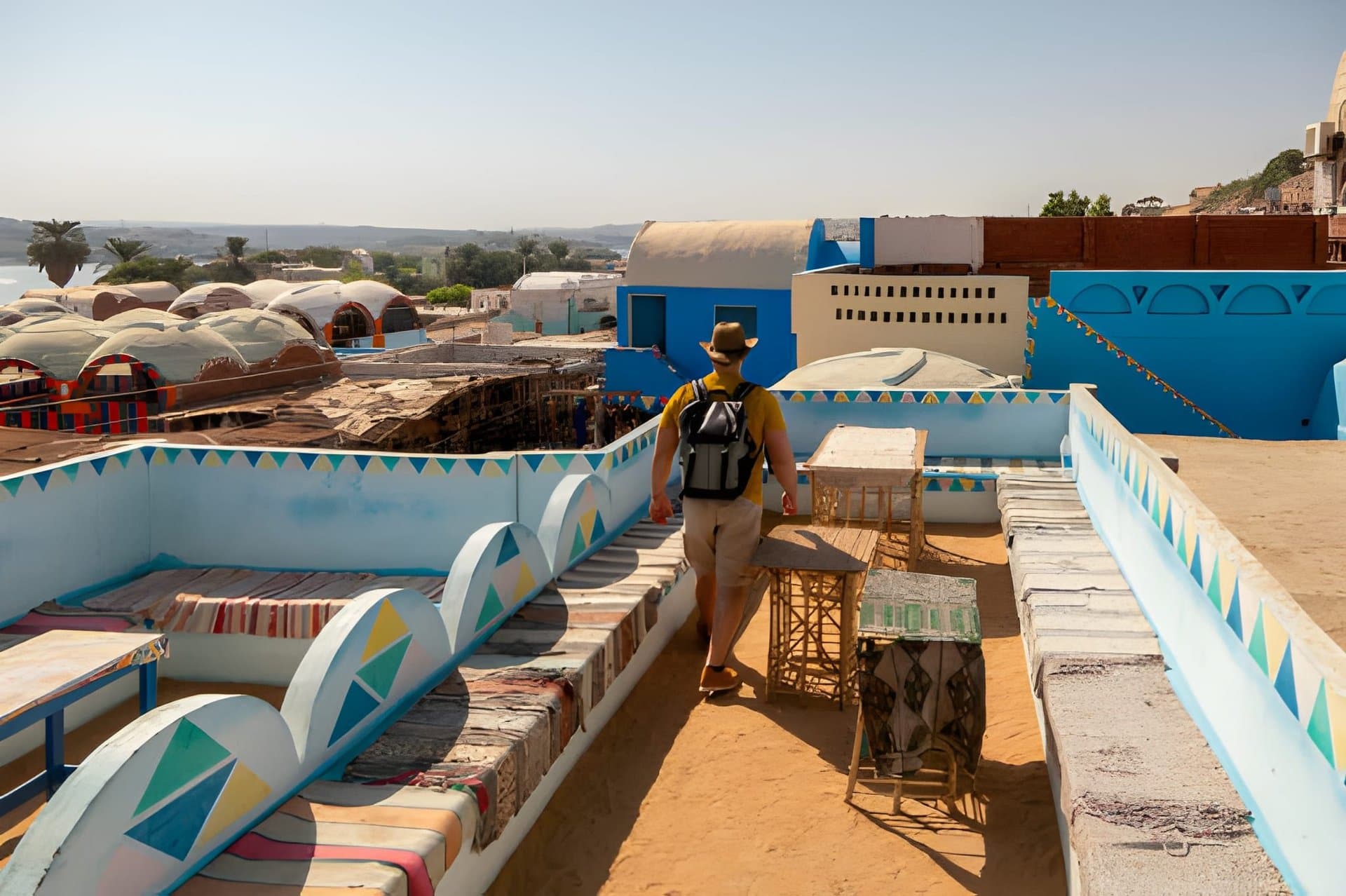
In the afternoon, discover Aswan’s vibrant Nubian culture. Visit a traditional Nubian village to learn about their unique customs, colorful houses, and delicious cuisine. If time allows, stop by the Aswan High Dam, an engineering marvel that tamed the Nile’s floods and created Lake Nasser. End your trip with a relaxing felucca sail at sunset, watching the golden light dance on the river’s surface.
Tips for Traveling in Egypt
To make the most of your five days in Egypt, consider these practical tips. Dress modestly, especially when visiting religious sites. Lightweight, breathable clothing is ideal for the hot climate, and a hat or scarf will protect you from the sun. Always carry bottled water, as the Egyptian heat can be intense, particularly in summer.
While Egypt is generally safe for tourists, it’s wise to use reputable guides and arrange transportation in advance. Tipping, or “baksheesh,” is customary in Egypt, so keep small change handy for guides, drivers, and service staff. Learning a few basic Arabic phrases, such as “shukran” (thank you), can enhance your interactions with locals. Lastly, be prepared for early mornings—many sites are best visited before the midday crowds and heat set in.
Best Time to Visit Egypt
The ideal time to visit Egypt is between October and April, when temperatures are milder and more comfortable for sightseeing. The peak season is December to February, so expect larger crowds at major attractions. If you visit in the shoulder months of October-November or March-April, you’ll enjoy pleasant weather with fewer tourists.
Summer (May to September) brings intense heat, especially in southern Egypt, but can be a good time to find deals on accommodations. Regardless of when you visit, pack sunscreen, sunglasses, and a reusable water bottle. Keep in mind that Ramadan, the Islamic holy month, may affect opening hours and the availability of some services, but it’s also a unique time to experience Egyptian hospitality and culture.
Getting Around Egypt
Egypt’s vast distances and diverse attractions make efficient transportation essential for a five-day itinerary. Domestic flights are the quickest way to travel between Cairo, Luxor, and Aswan, with several daily departures. Overnight trains offer a comfortable and scenic alternative, especially for those seeking a more immersive experience. Within cities, taxis and ride-sharing apps like Uber are convenient and affordable.
For sightseeing, consider hiring a private guide or joining a small group tour to gain deeper insights into Egypt’s history and culture. Many travelers opt for Nile cruises between Luxor and Aswan, which offer a leisurely way to visit temples and enjoy the river’s tranquil scenery. Don’t forget to arrange airport transfers in advance, particularly if arriving late at night or during busy periods.
Frequently Asked Questions
How much does a 5 day trip to Egypt cost?
The cost of a five-day trip to Egypt varies depending on your travel style. Budget travelers can expect to spend around $600–$800, including accommodation, meals, and entrance fees. Mid-range trips typically cost $1,200–$1,800, while luxury tours can exceed $2,500. Flights, guides, and optional activities like hot air balloon rides may increase your total expenses.
Is Egypt safe for tourists?
Egypt is generally safe for tourists, especially in popular destinations like Cairo, Luxor, and Aswan. It’s advisable to use reputable guides, avoid isolated areas at night, and stay informed about local conditions. The Egyptian government places a high priority on tourist safety, and you’ll notice a visible police presence at major sites.
Do I need a visa to visit Egypt?
Most travelers require a visa to enter Egypt. Many nationalities can obtain a visa on arrival at major airports or apply for an e-visa online before traveling. Check the latest requirements based on your nationality and ensure your passport is valid for at least six months beyond your arrival date.
What should I wear when visiting Egypt?
Modest clothing is recommended, especially when visiting religious sites. Lightweight, long-sleeved shirts and trousers or skirts are ideal for both comfort and sun protection. Women may want to carry a scarf to cover their hair when entering mosques. Comfortable walking shoes are essential for exploring archaeological sites.
Can I drink tap water in Egypt?
It’s best to avoid drinking tap water in Egypt. Stick to bottled or filtered water, which is widely available and inexpensive. Use bottled water for brushing your teeth, and avoid ice in drinks unless you’re sure it’s made from purified water.
What is the best way to see the pyramids?
The Pyramids of Giza are easily accessible from central Cairo by taxi or organized tour. Arrive early to beat the crowds and heat, and consider hiring a licensed guide for a more informative experience. Camel rides and horse-drawn carriages are available on site, but be sure to agree on a price beforehand.