Attraction

Abu Simbel Temples

The Abu Simbel Temples near Aswan are colossal ancient monuments of Ramses II, renowned for their stunning facade, remarkable interiors, and dramatic relocation.

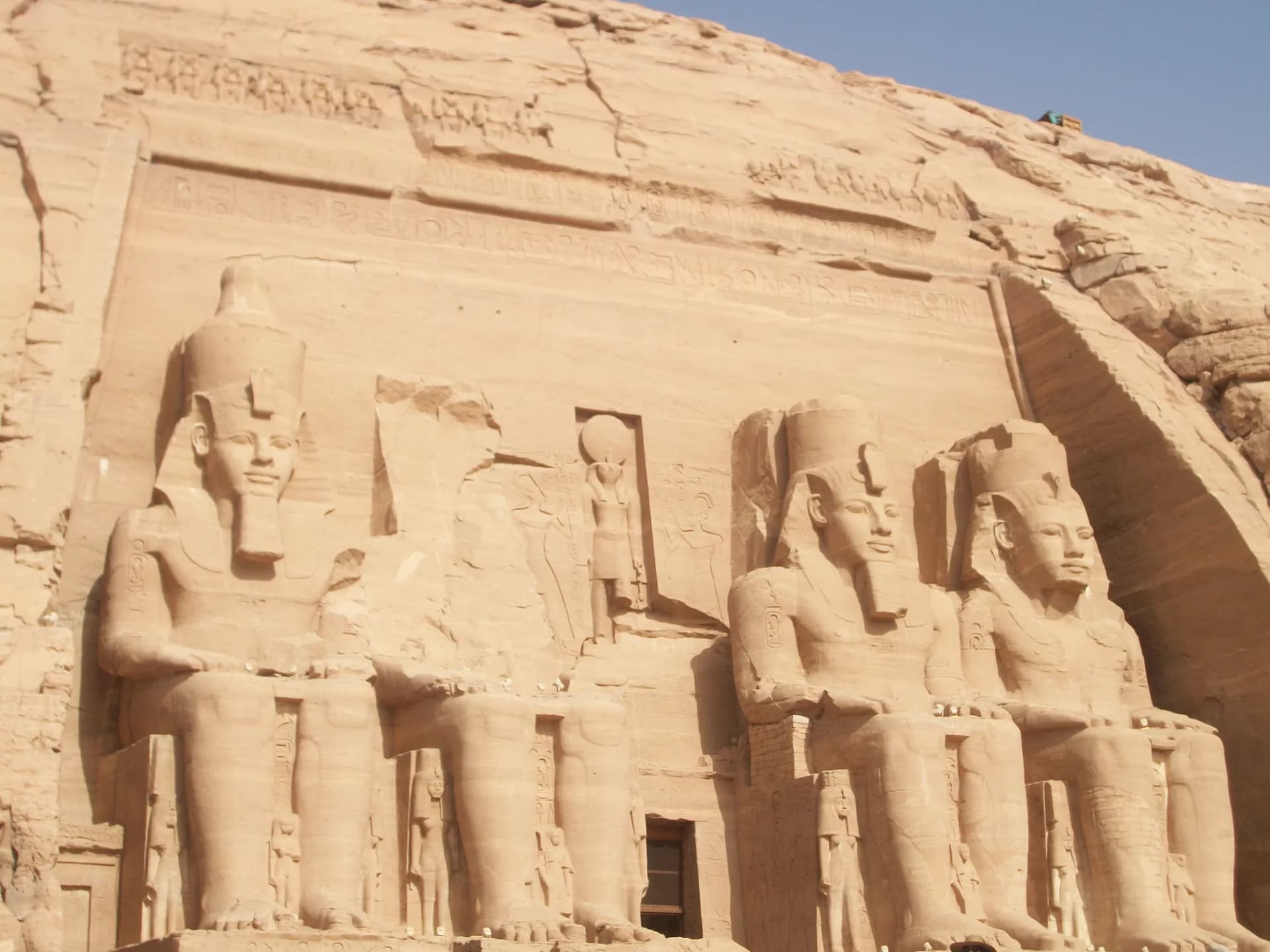
The colossal seated statues of Ramesses II on the facade of the Great Temple of Abu Simbel

Overview

The Abu Simbel Temples, situated near the town of Abu Simbel on the western shore of Lake Nasser, are two massive rock-cut temples that rank among Egypt’s most iconic ancient sites. Built during the reign of Pharaoh Ramses II in the 13th century BCE, these monumental structures are renowned for their enormous statues and intricate wall carvings. Their dramatic history, impressive scale, and extraordinary preservation make them a must-see for travelers venturing to southern Egypt from Aswan. Whether you’re an ancient history enthusiast, a lover of grand architecture, or simply seeking one of Egypt’s most unforgettable experiences, the Abu Simbel Temples promise a journey back in time and a feast for the senses.
Why Visit Abu Simbel Temples

Visiting the Abu Simbel Temples is a truly awe-inspiring experience, offering travelers the chance to stand before some of the largest and most perfectly preserved monuments of the ancient world. The sheer scale of the Great Temple, with its four colossal statues of Ramses II, leaves an indelible impression, while the smaller Temple of Hathor is a moving tribute to royal love. The interiors are filled with vibrant reliefs depicting pharaonic triumphs and divine rituals. Witnessing the temples’ alignment with the sun during the biannual Sun Festival is a once-in-a-lifetime event. Photography enthusiasts, history buffs, and anyone seeking the essence of ancient Egypt will find Abu Simbel unforgettable.

History of Abu Simbel Temples

The Abu Simbel Temples were commissioned by Ramses II, one of ancient Egypt’s most renowned pharaohs, around 1264 BCE during the New Kingdom period. Carved directly into the Nubian sandstone cliffs on the banks of the Nile, these temples served both as a lasting monument to Ramses II and his queen Nefertari, and as a demonstration of Egyptian power to neighboring Nubia. The Great Temple is dedicated to the gods Amun, Ra-Horakhty, and Ptah, as well as to the deified Ramses II himself, while the smaller temple honors Hathor and Nefertari.

The temples remained buried in sand for centuries and were rediscovered in 1813 by Swiss explorer Johann Ludwig Burckhardt. In the 1960s, the construction of the Aswan High Dam posed a threat of submersion by Lake Nasser. In a landmark UNESCO-led effort between 1964 and 1968, the entire complex was painstakingly cut into massive blocks and relocated 65 meters higher and 200 meters back from the river. This engineering feat preserved the temples for future generations and stands as a testament to international cooperation in heritage conservation.

Today, Abu Simbel not only showcases the artistic and architectural genius of ancient Egypt but also tells the modern story of global dedication to preserving humanity’s cultural treasures. Its unparalleled significance makes it an essential stop for those exploring Egypt’s rich past.

What to See at Abu Simbel Temples

  • The four colossal seated statues of Ramses II at the Great Temple entrance
  • The interior hypostyle hall with striking wall reliefs and towering pillars
  • The sanctuary where the sun illuminates the statues of the gods twice a year
  • The Temple of Hathor, dedicated to Queen Nefertari, with its own impressive façade
  • Vivid carvings depicting the Battle of Kadesh and scenes of royal life
  • The panoramic views over Lake Nasser from the temple complex
  • The story and exhibition of the temples' dramatic relocation

Best Time to Visit Abu Simbel Temples

The best time to visit Abu Simbel is from October to April, ideally early in the morning to avoid the midday heat and crowds.

How to Get to Abu Simbel Temples

Abu Simbel is most commonly reached from Aswan by road (about 3.5 hours by bus or private car) or by short domestic flight. Many travelers join an organized day tour from Aswan, which ensures smooth access and guided insight. There are also Lake Nasser cruises that include a stop at Abu Simbel, offering a scenic approach.

Nearby Attractions

Tours That Include Abu Simbel Temples

4 Night Luxor to Aswan Nile Cruise

A classic Nile cruise itinerary with temple visits, river views, and a comfortable four-night rhythm.

Nubian Village Tour by Boat

Set out on a memorable journey across the Nile to explore the charm and traditions of the Nubian people. This private day excursion takes you by motorboat to the vibrant Nubian Village, where you’ll encounter the warmth of local hospitality, admire the colorful houses, and learn about the customs that have been preserved for generations. The trip offers a perfect blend of scenic beauty, cultural discovery, and relaxation along the tranquil waters of the Nile.

Luxury Cairo, Luxor and Aswan Package

An upscale private journey that combines Cairo highlights, a polished Luxor stay, and a refined Aswan finish.

09 Days Egypt and Nubia Tour

Experience an extraordinary 9-day expedition through the heart of Egypt and Nubia, where ancient history and vibrant culture intertwine. Begin in Cairo, home to the timeless pyramids and the Grand Egyptian Museum, then journey south to Luxor and Aswan to uncover the temples, tombs, and treasures of the pharaohs. Sail along the Nile aboard a deluxe cruise, visit the awe-inspiring Abu Simbel temples, and immerse yourself in the warmth and traditions of the Nubian people. This journey offers a perfect blend of discovery, relaxation, and cultural connection.

08 Days Pyramids and Nile Cruise Holidays

Embark on an extraordinary 8-day journey through Egypt’s most captivating landmarks. Begin in Cairo, where you’ll stand before the legendary Pyramids of Giza and the enigmatic Sphinx, then explore the ancient necropolis of Saqqara. Continue your adventure with a flight to Luxor to board a luxurious Nile cruise, gliding along the river that has shaped Egypt’s history for millennia. Discover the Valley of the Kings, the grand temples of Karnak and Luxor, the elegant Temple of Philae, and the monumental Abu Simbel. With private guided tours, comfortable accommodations, and smooth transfers, this

07 Days Cairo and Nile Cruise Package

Experience the ultimate combination of ancient history and modern comfort on this 7-day Cairo and Nile Cruise adventure. Begin in Cairo, where you’ll stand before the legendary Pyramids of Giza and explore the treasures of the Egyptian Museum. Then, fly south to Aswan to embark on a luxurious 3-night cruise along the Nile River, visiting the magnificent temples of Philae, Kom Ombo, Edfu, and Luxor. With private guided tours, seamless transfers, and premium accommodations, this journey offers an unforgettable exploration of Egypt’s timeless wonders for families, couples, and solo travelers alik

Travel Tips Before Visiting

  • Arrive early in the morning to enjoy cooler temperatures and fewer crowds.
  • Bring sun protection, such as a hat, sunglasses, and sunscreen, as shade is limited.
  • Carry bottled water, especially during warmer months.
  • Photography is allowed outside and in most interior areas, but flash is prohibited.
  • Consider joining a guided tour for deeper historical context.
  • Plan ahead if visiting during the Sun Festival (February and October) as crowds are larger.
  • Restrooms and a small café are available at the site entrance.
  • Combine your visit with other Aswan highlights or a Lake Nasser cruise for a richer itinerary.

Frequently Asked Questions

Is the Abu Simbel Temples worth visiting?
Yes, the Abu Simbel Temples are a highlight of any Egypt trip, offering unmatched ancient architecture, history, and an unforgettable experience.
How long do you need at the Abu Simbel Temples?
Most visitors spend 2–3 hours exploring the Abu Simbel Temples, allowing time to see both temples, the reliefs, and the relocation exhibition.
How do you get to the Abu Simbel Temples from Aswan?
You can reach Abu Simbel from Aswan by road (bus or private car), by short domestic flight, or as part of a Lake Nasser cruise.
What is special about the Abu Simbel Temples Sun Festival?
Twice a year, the sunrise aligns perfectly to illuminate the inner sanctuary statues, an event celebrated by visitors and locals alike.
Can you visit the Abu Simbel Temples on a day trip?
Yes, most travelers visit Abu Simbel on a day tour from Aswan, with both road and air options available.
Are guided tours available at the Abu Simbel Temples?
Guided tours are widely available and recommended for understanding the site’s rich history and significance.
WhatsApp