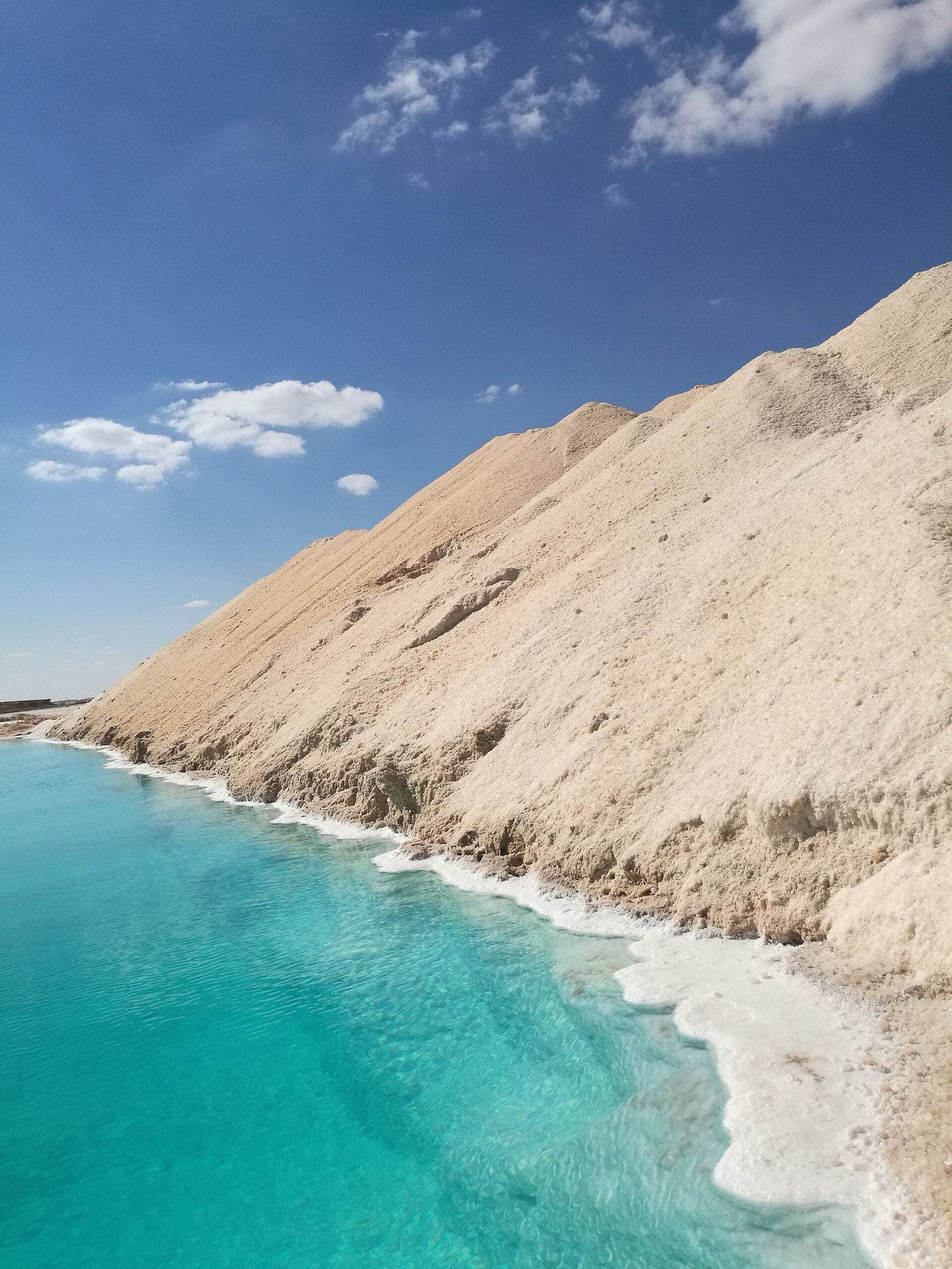
Siwa is worth it if you have time for the journey and want the most remote, least touristy place we send people to in Egypt. It is not worth forcing into a short first trip — the distance from anywhere else is the whole trade-off, and it only pays off if you can give it two to three days rather than a rushed stop.
Key takeaways
- Siwa sits far into the Western Desert near the Libyan border, hours from Cairo and from the Nile Valley sites.
- It has its own Amazigh (Berber) culture, distinct from the rest of Egypt, plus salt lakes, palm groves and mud-brick ruins.
- The Oracle Temple, where Alexander the Great is said to have consulted the oracle, is Siwa's best-known ancient site.
- Because of the distance, Siwa suits travelers with 10+ days total, not a 5-7 day first trip.
What makes it different
Siwa does not feel like the rest of tourist Egypt. The old mud-brick fortress of Shali, the natural salt lakes you can float in, and a slower, oasis pace set it apart from the Nile Valley circuit. Our full guide to why Siwa is Egypt's most peaceful destination covers the atmosphere in more depth.
Who it suits
- Second or third-time visitors who have done Cairo, Luxor and Aswan.
- Travelers who want desert and nature alongside history, not instead of it.
- Longer trips — two weeks or more — where a detour of several days does not crowd out the essentials.
Who should skip it
If your trip is under a week, or your main interest is pharaonic temples and tombs, the travel time to Siwa is better spent in Luxor or on a Nile cruise. Our Siwa hidden gems and adventure guide has the practical logistics if you do go.
How to get there
Siwa is normally reached by road from Cairo or Marsa Matrouh; there is no airport serving it directly. Tell us on your trip plan if you want it included and we will build the transfer time into the itinerary honestly.
Frequently asked questions
How many days does Siwa need?
Two to three days on the ground, plus travel time each way — budget most of a week for Siwa specifically.
Is Siwa safe to visit?
Siwa is a long-established destination, but it is not on the standard Nile Valley route: it lies in the Western Desert, where UK FCDO advice warns against all but essential travel west of the Nile Valley, with exceptions for tourist destinations. Check the current advice before you book and travel with a licensed operator.
Reviewed September 2026.