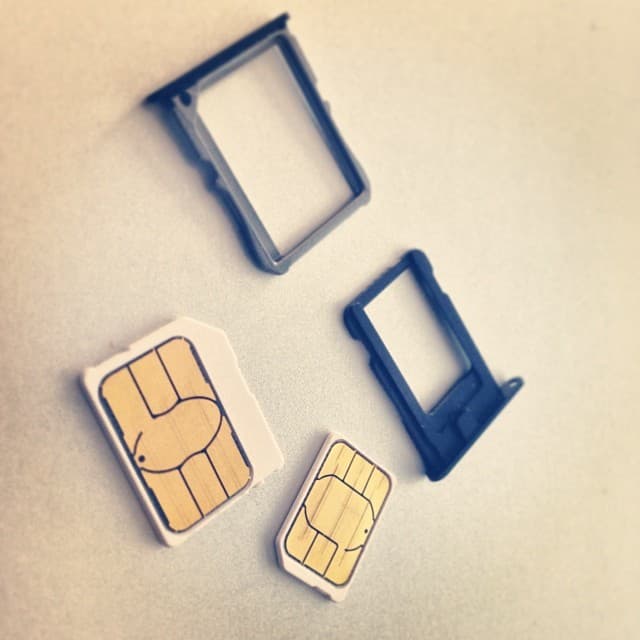
Both work well — the eSIM is more convenient, a physical SIM is more flexible. An eSIM from an international provider can be active before you even land, no counter visit needed. A local physical SIM, bought at the airport or a phone shop, is usually cheaper for a longer trip but requires your passport for the mandatory registration.
Key takeaways
- Egypt's main mobile networks are Vodafone, Orange, Etisalat (e& Egypt) and WE.
- Buying a local SIM requires your passport — registration is a legal requirement, not a formality you can skip.
- An international eSIM avoids the counter and registration step entirely, at the cost of usually being pricier per gigabyte.
- Airport kiosks in the arrivals hall are the easiest place to get a local SIM immediately on landing.
eSIM or physical SIM?
| eSIM | Local physical SIM | |
|---|---|---|
| Set up | Before you fly, no counter needed | At the airport or a shop, on arrival |
| Paperwork | None, handled at purchase online | Passport required for registration |
| Typical cost for a short trip | Convenience-priced | Usually cheaper per GB locally |
| Best for | Short trips, wanting data from landing | Longer stays, heavier data use |
Buying a local SIM
Airport kiosks in the arrivals hall sell SIMs from the main carriers and can activate them on the spot — bring your passport. Prices and data packages change often enough that we won't quote a figure here; compare the carrier kiosks at the airport rather than assuming one is cheapest.
Frequently asked questions
Will my home SIM just work with roaming?
It depends entirely on your home carrier's roaming rates for Egypt — check with them directly, since these vary widely and change without notice.
Do hotels have reliable WiFi if I skip a SIM?
Most do, but a local SIM or eSIM is worth having for getting around outside the hotel — see WiFi and internet in Egypt for how the two combine.
Reviewed September 2026.