Egypt 14 Day Itinerary: Two Weeks of Ancient Wonders
Egypt, the cradle of civilization, is a land where ancient history and vibrant modern culture intertwine seamlessly. Over two weeks, travelers can immerse themselves in a dazzling array of archaeological treasures, bustling cities, tranquil desert landscapes, and the timeless flow of the Nile. This comprehensive 14-day itinerary is designed to help you experience Egypt’s most iconic sights and hidden gems, providing practical tips and historical context to ensure your journey is as enriching as it is unforgettable.
Day 1-2: Arrival in Cairo – The Heart of Egypt
Your adventure begins in Cairo, Egypt’s sprawling capital and the gateway to the ancient world. Spend your first day acclimating to the city’s vibrant energy, perhaps with a stroll along the Nile Corniche or a visit to the lively Khan el-Khalili bazaar. On your second day, devote time to the Grand Egyptian Museum, where Tutankhamun’s treasures are displayed in the Tutankhamun Galleries. Don’t miss the Islamic Cairo district, where centuries-old mosques and bustling markets offer a glimpse into the city’s rich cultural tapestry.
Day 3-4: Giza Plateau – Pyramids and the Sphinx
No trip to Egypt is complete without witnessing the awe-inspiring monuments of the Giza Plateau. Stand in the shadow of the Great Pyramid, the last surviving wonder of the ancient world, and marvel at the enigmatic Sphinx. Consider a camel ride across the sands for a unique perspective, and see Khufu’s ancient boat, now displayed in the Khufu’s Boats Museum at the Grand Egyptian Museum. In the evening, the Sound and Light Show at the pyramids offers a dramatic retelling of Egypt’s history under the stars.
Day 5: Saqqara and Dahshur – The Step into Ancient Engineering
Venture south of Cairo to the necropolises of Saqqara and Dahshur, where Egypt’s pyramid-building experiments began. At Saqqara, the Step Pyramid of Djoser stands as the world’s oldest stone monument, while the Red and Bent Pyramids at Dahshur showcase the architectural evolution that led to Giza’s masterpieces. These sites are less crowded than Giza, offering a more contemplative atmosphere amid the desert’s golden silence.
Day 6-7: Alexandria – Mediterranean Charm and Ancient Wonders
Travel north to Alexandria, the city founded by Alexander the Great and once home to the legendary Library and Lighthouse. Explore the Catacombs of Kom el Shoqafa, the Roman Amphitheater, and the impressive Qaitbay Citadel, built on the site of the ancient Lighthouse. Don’t miss the modern Bibliotheca Alexandrina, a stunning tribute to the city’s scholarly heritage. Stroll along the Corniche for sweeping views of the Mediterranean, and savor fresh seafood at a local eatery.
Day 8-9: Aswan – Nubian Culture and Nile Serenity
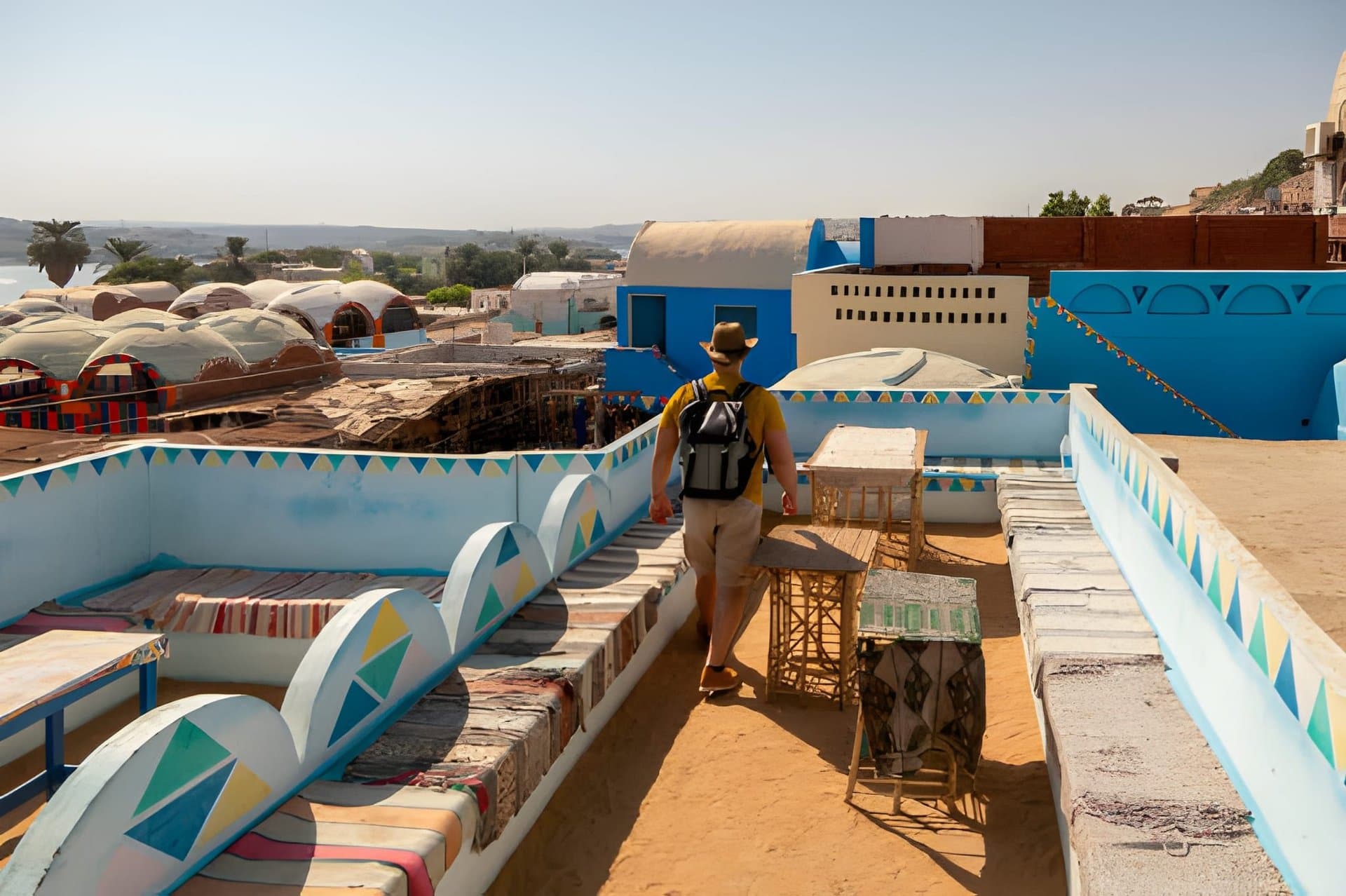
Fly or take an overnight train to Aswan, a tranquil city at Egypt’s southern frontier. Visit the majestic Philae Temple, dedicated to the goddess Isis, and marvel at the engineering of the Aswan High Dam. Take a felucca ride at sunset, drifting past Elephantine Island and the lush gardens of Kitchener’s Island. For a deeper cultural experience, consider visiting a Nubian village to learn about the region’s unique traditions and vibrant artistry.
Day 10: Abu Simbel – The Temples of Ramses II
From Aswan, embark on a day trip to Abu Simbel, where colossal statues of Ramses II guard the entrance to two magnificent rock-cut temples. These UNESCO World Heritage sites were relocated in a dramatic rescue operation to save them from the rising waters of Lake Nasser. The temples’ interiors are adorned with intricate carvings depicting the Pharaoh’s victories and devotion to the gods. Arriving early in the morning ensures cooler temperatures and fewer crowds.
Day 11-12: Luxor – The World’s Greatest Open-Air Museum
Continue your journey north to Luxor, often called the world’s greatest open-air museum. On the East Bank, explore the grand temples of Karnak and Luxor, connected by the ancient Avenue of Sphinxes. Cross the Nile to the West Bank to visit the Valley of the Kings, where the tombs of pharaohs like Tutankhamun and Ramses VI are adorned with vivid hieroglyphs. The nearby Temple of Hatshepsut and the Colossi of Memnon are equally impressive. Consider a sunrise hot air balloon ride for breathtaking views of the Theban landscape.
Day 13: Edfu and Kom Ombo – Temples Along the Nile
Traveling between Luxor and Aswan, stop at the Temple of Edfu, dedicated to the falcon god Horus, and the unique double temple of Kom Ombo, shared by the gods Sobek and Haroeris. Both temples are notable for their well-preserved reliefs and fascinating histories. The journey along the Nile offers glimpses of rural life and verdant riverbanks, a serene contrast to the grandeur of the monuments.
Day 14: Return to Cairo – Modern Marvels and Farewell
Conclude your Egyptian odyssey by returning to Cairo. Use your final day to explore modern attractions such as Al-Azhar Park, the Coptic Quarter with its ancient churches, or the vibrant art galleries and cafes of Zamalek. Reflect on your journey through millennia of history, from the dawn of civilization to the dynamic pulse of contemporary Egypt.
Tips for Traveling in Egypt
Egypt is a country of contrasts, and preparation is key to a smooth experience. Dress modestly, especially when visiting religious sites, and stay hydrated in the desert heat. Bargaining is common in markets, so don’t hesitate to negotiate prices. While English is widely spoken in tourist areas, learning a few basic Arabic phrases can enhance your interactions. For long-distance travel, consider domestic flights to save time, or opt for the comfortable sleeper trains between major cities.
Must-Try Egyptian Cuisine
Egyptian food is a delightful blend of Middle Eastern and Mediterranean flavors. Sample local staples such as koshari (a hearty mix of rice, pasta, lentils, and fried onions), ful medames (stewed fava beans), and ta’ameya (Egyptian falafel). Freshly baked baladi bread accompanies most meals, and sweet treats like basbousa or konafa are perfect for dessert. Don’t miss sipping on karkadeh (hibiscus tea) or a strong cup of Egyptian coffee.
Frequently Asked Questions
What is the best time of year to visit Egypt?
The most pleasant time to visit Egypt is from October to April, when temperatures are milder, especially for exploring outdoor sites. The summer months (May to September) can be extremely hot, particularly in southern Egypt.
Is Egypt safe for tourists?
Egypt is generally safe for tourists, especially in popular destinations. However, it’s important to stay updated on travel advisories, avoid demonstrations, and follow local advice. Tourist police are present at major sites, and most visitors have trouble-free trips.
How should I dress when traveling in Egypt?
Modest clothing is recommended, particularly for women and when visiting religious sites. Lightweight, breathable fabrics are ideal. It’s advisable to cover shoulders and knees, and to bring a scarf for entering mosques.
Do I need a visa to visit Egypt?
Most travelers require a visa to enter Egypt. Many nationalities can obtain a visa on arrival at major airports or apply for an e-visa online before traveling. Check the latest requirements based on your nationality.
What currency is used in Egypt, and can I use credit cards?
The Egyptian Pound (EGP) is the official currency. Credit cards are accepted in hotels, larger restaurants, and shops in major cities, but cash is preferred in smaller towns and markets. ATMs are widely available.
Is it necessary to hire a guide for visiting ancient sites?
While not mandatory, hiring a licensed guide can greatly enhance your understanding of Egypt’s ancient monuments and history. Guides can be arranged through hotels or reputable tour agencies, and many speak excellent English and other languages.